
Buying a walking cane as a gift can be thoughtful, practical, and personal—but only when the recipient is part of the decision. A cane is not simply an accessory. Its height, handle, base, condition, and intended level of support all affect whether it fits the person’s daily routine.
Before choosing a color or wrapping the box, ask the following nine questions. If the person has new weakness, repeated falls, weight-bearing restrictions, or has recently had surgery, ask a qualified clinician whether a cane is the appropriate device before buying one.
1. Does the person actually want a cane?
Start with a conversation, not a surprise. Some people may welcome a compact cane for trips or longer outings. Others may already have a device recommended by a physical therapist, occupational therapist, or physician.
Ask what problem they want to solve and where they expect to use the cane. Do they need a convenient place to rest it during errands? Do they want something foldable for a car or suitcase? Are they replacing a worn cane, or considering their first mobility aid?
A gift should support the recipient’s choices. It should not pressure someone to use a device they did not request or replace a clinically recommended aid with a different type.
2. Is a cane the right level of support?
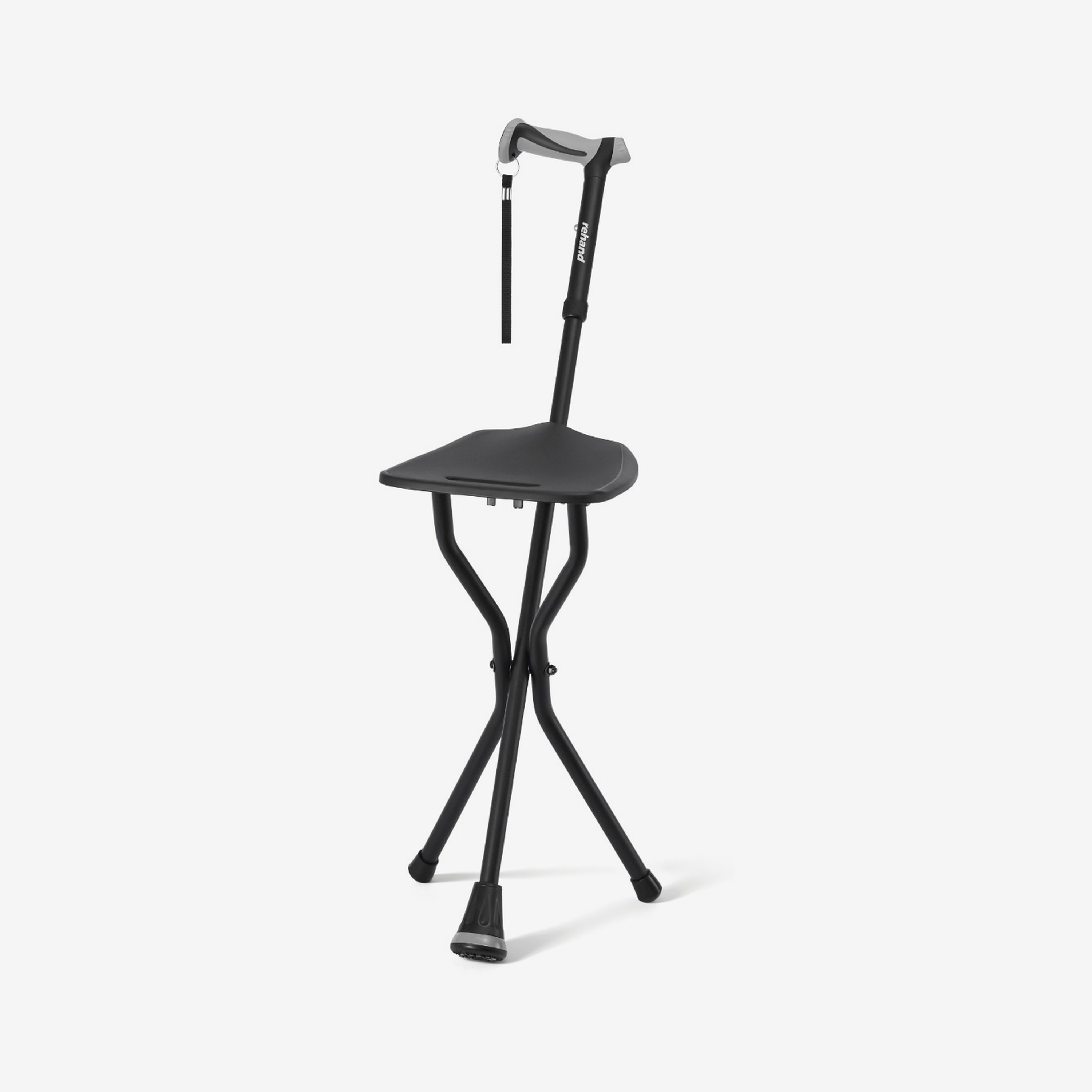
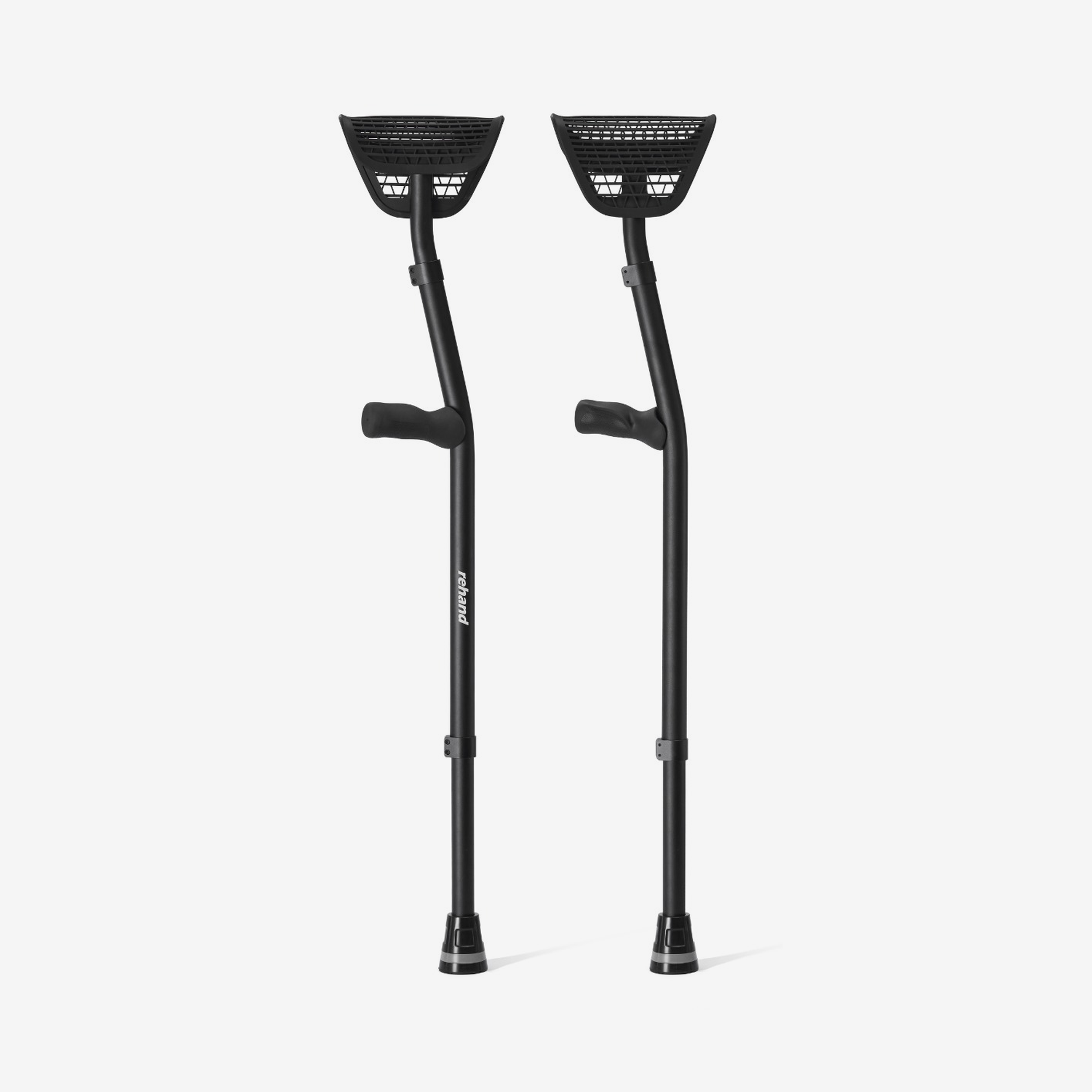
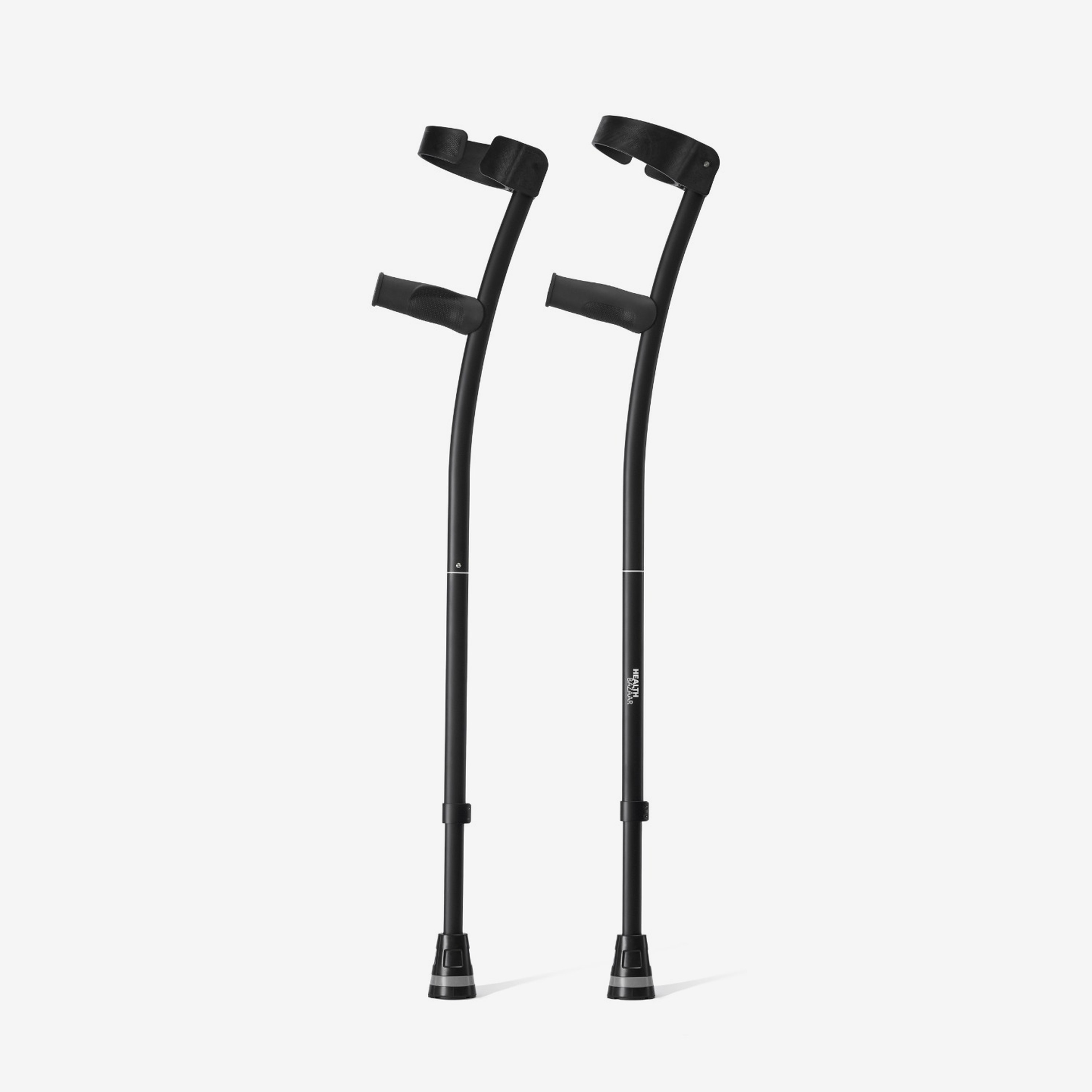
Canes, quad canes, crutches, and walkers do not provide the same kind or amount of support. Mayo Clinic notes that a single-tip cane and a quad cane have different handling and base characteristics. The right category depends on the individual—not on which product looks easiest to ship.
If you are unsure, give the recipient a shopping invitation, gift card, or printed comparison guide instead of selecting the device secretly. That preserves the surprise while leaving the support decision to the person and, when needed, their clinician.
3. What handle height do they need?
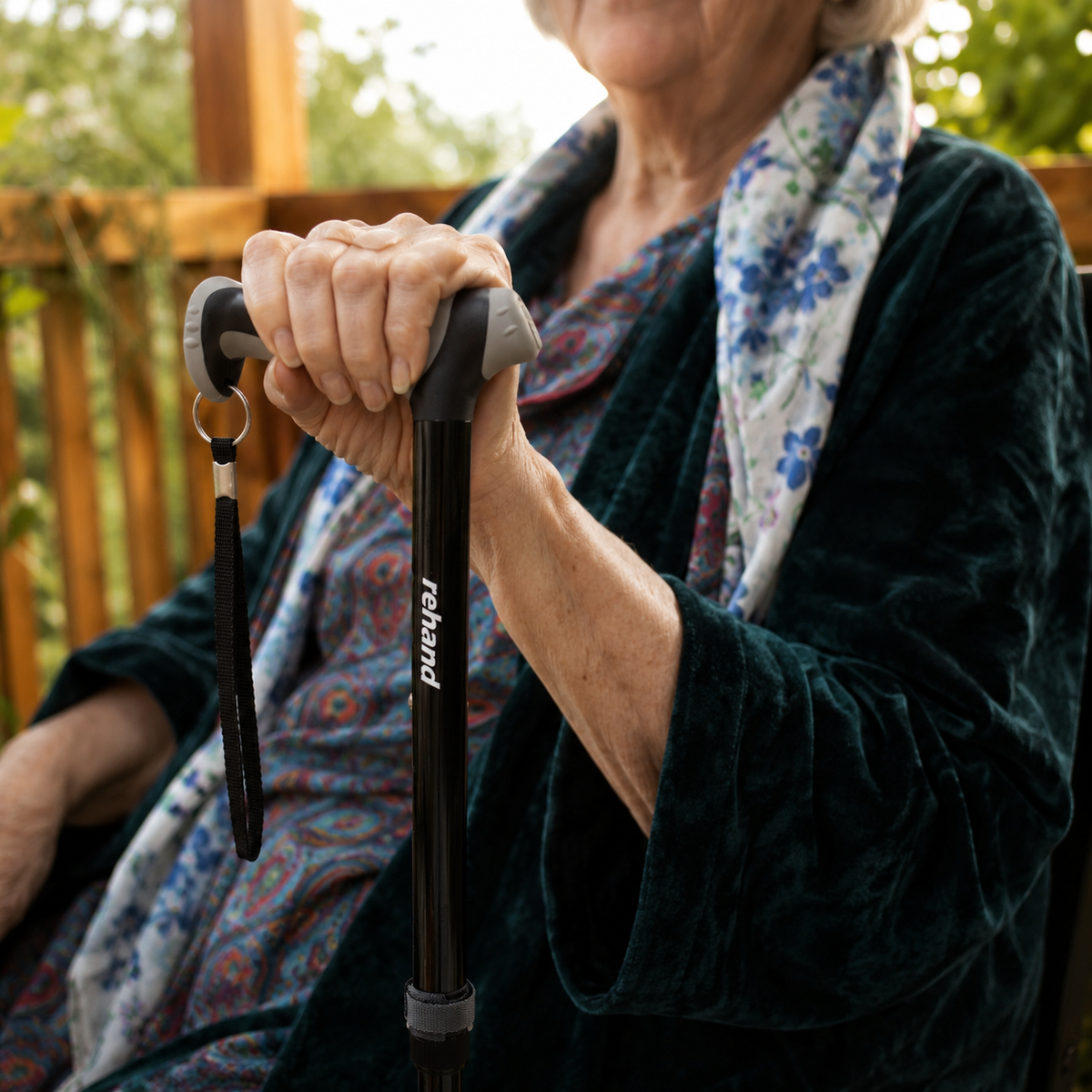
Do not buy from the recipient’s total height alone. A common general fit check is to have the person stand upright in their usual shoes with their arm relaxed, then measure from the floor to the wrist crease. When the cane is held, the elbow should have a slight bend.
This is a starting point, not an individualized prescription. Compare the measured handle height with the exact product’s minimum and maximum settings. “Adjustable” is not enough information because ranges and increments differ among models.
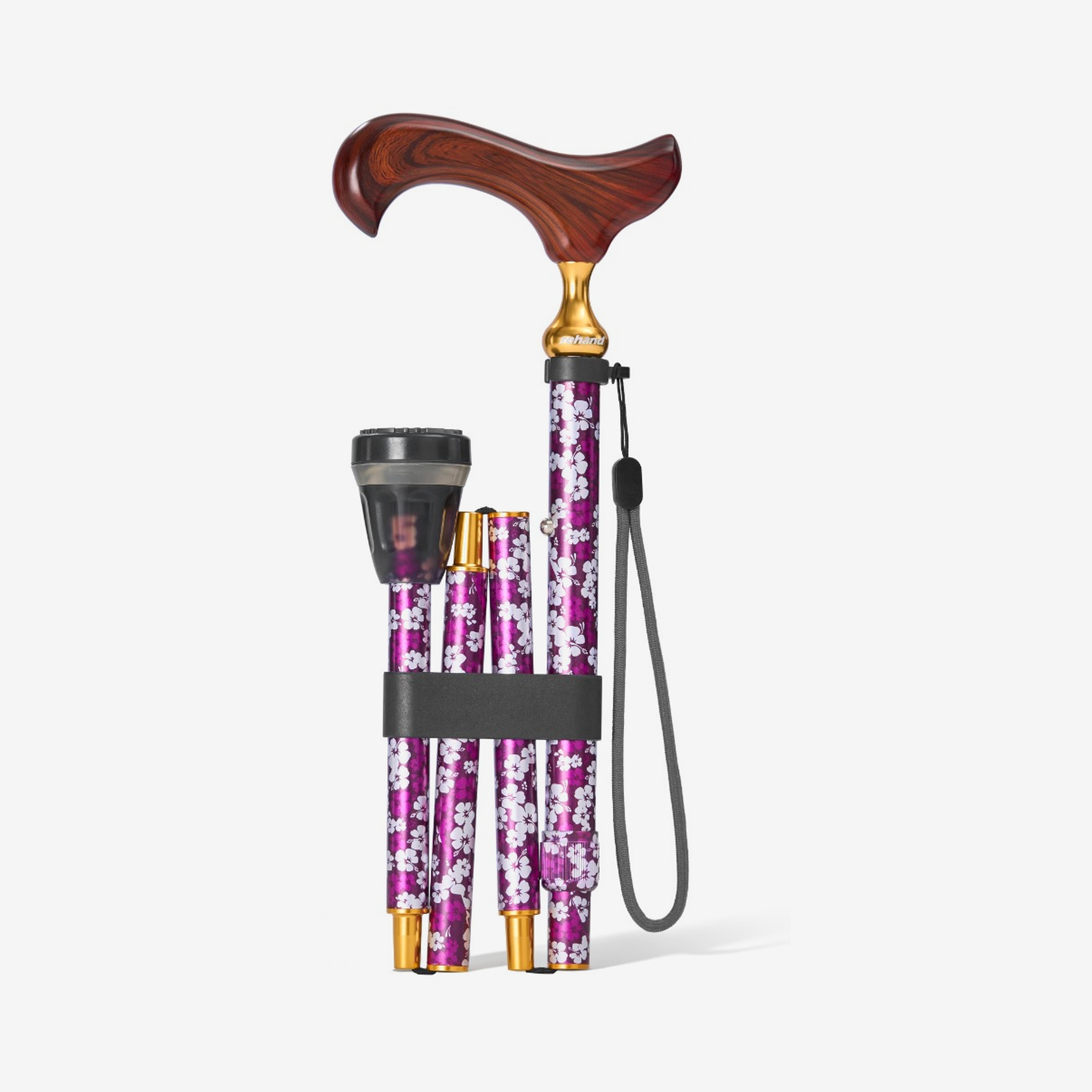
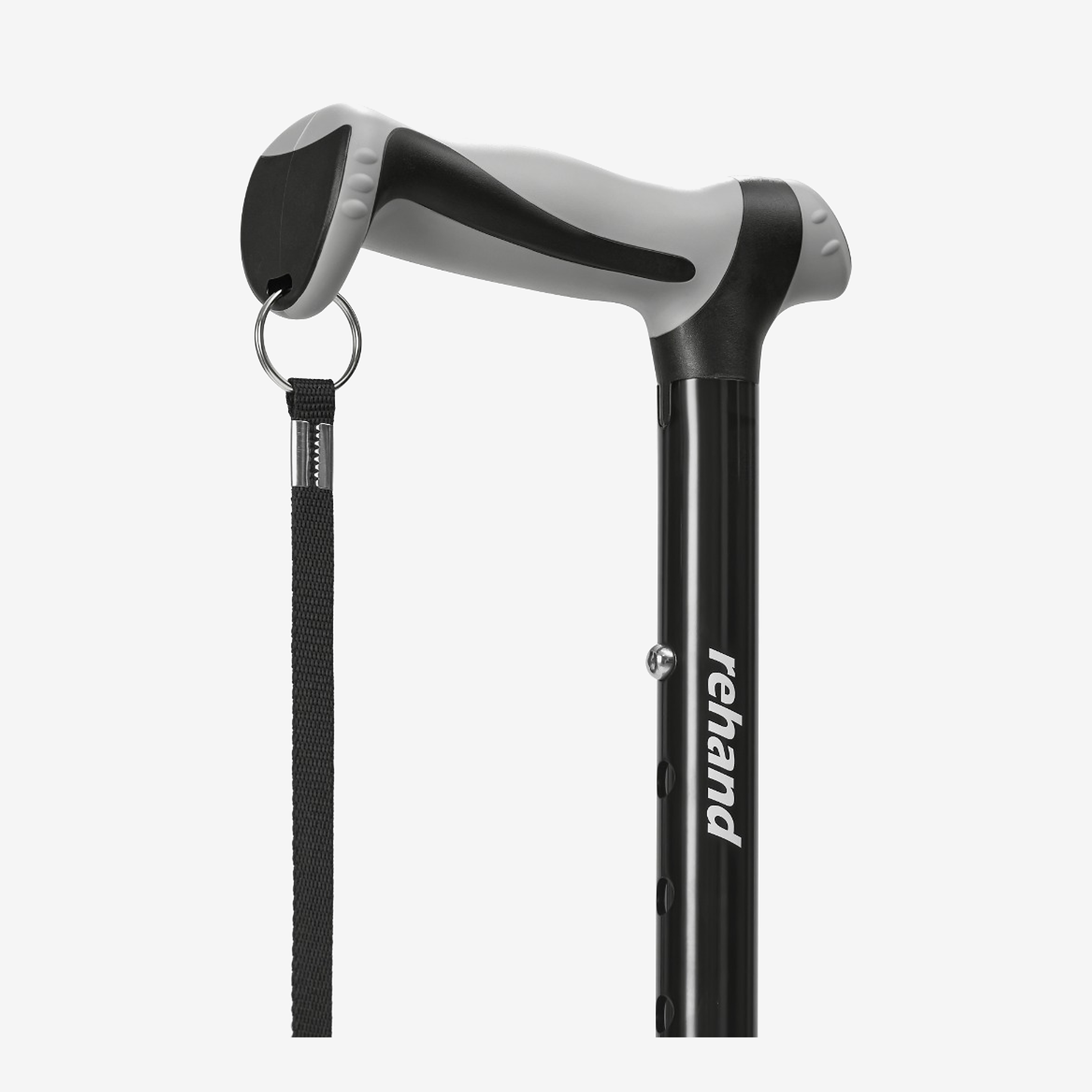
The current Rehand Foldable Walking Cane, for example, lists eight defined settings from 31 to 38 inches. Verify the live product page before purchase and do not copy that range to another model.
4. Which hand and handle feel comfortable?
Many walking canes can be used in either hand, but some anatomical grips are hand-specific. Handle width, firmness, shape, and surface material can also feel very different from one person to another.
Ask whether the recipient prefers a broad soft grip, a rigid wood handle, or another shape they have already used comfortably. If grip strength, sensation, joint motion, or hand pain is a concern, a clinician can help evaluate the grip rather than relying on the word “ergonomic.”
For more detail, use Rehand’s walking cane handle guide before comparing product pages.
5. What kind of base fits their route?
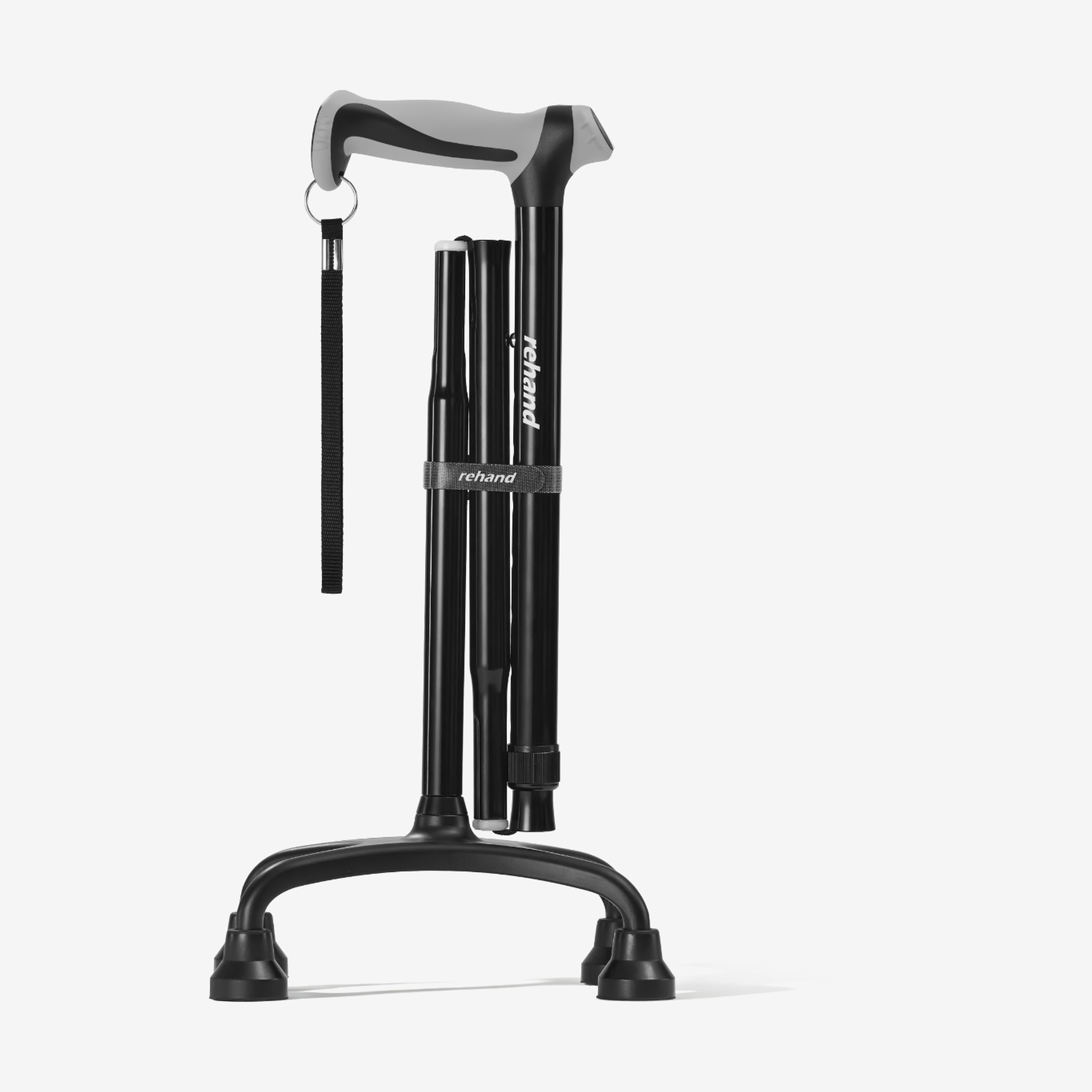
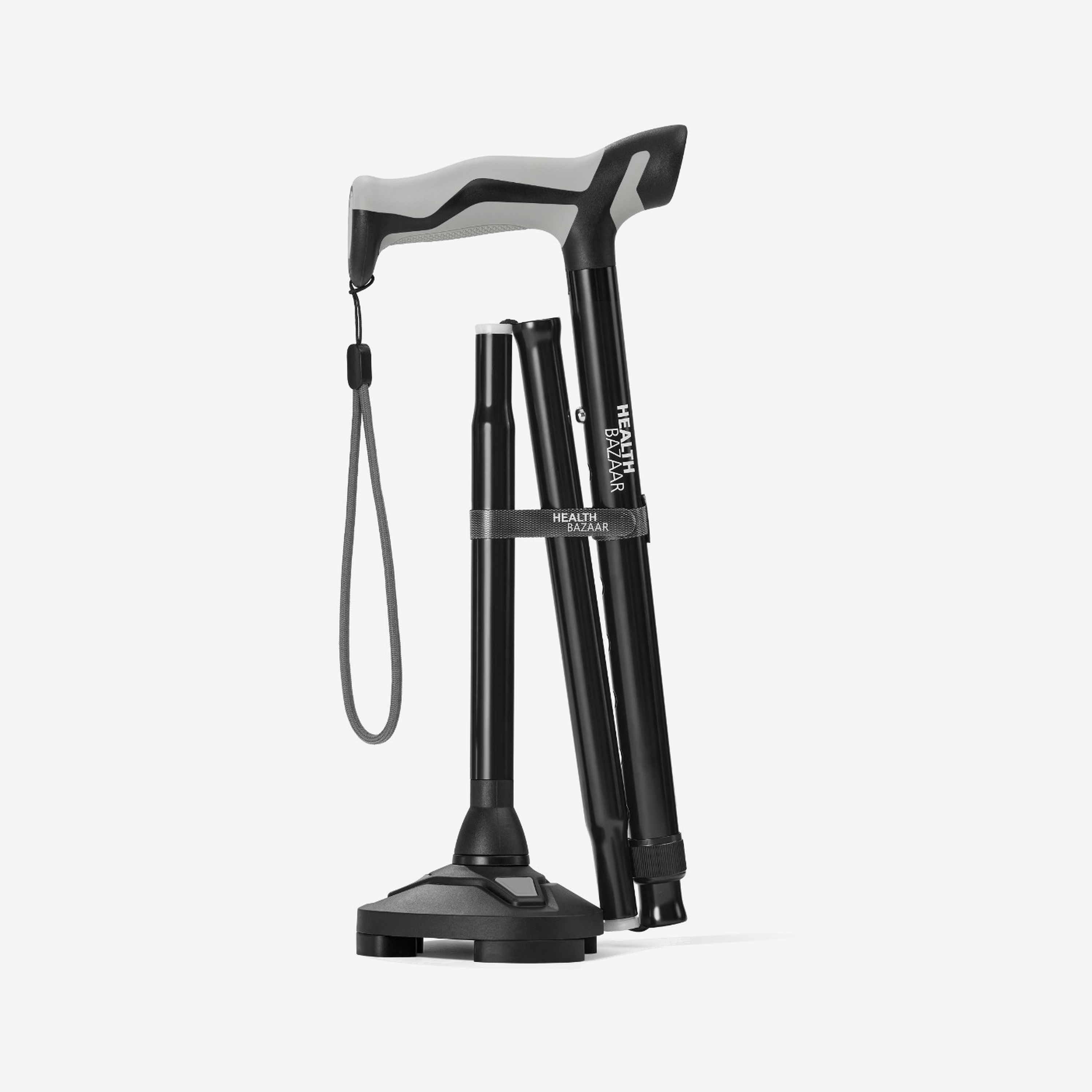
A single tip has a small footprint and may be easier to place near furniture. A self-standing or quad-style base takes up more room and must be positioned as the manufacturer directs. A self-standing label does not mean the cane cannot tip if it is bumped or placed on an uneven surface.
Ask about the recipient’s real route: narrow hallways, rugs, store aisles, sidewalks, a vehicle, or a favorite café. Then compare the exact base dimensions, maintenance instructions, and turning clearance.
If the person already uses a particular base successfully, replacing it with a different style as a surprise may be less useful than replacing the same model or shopping together.
6. Does portability matter?
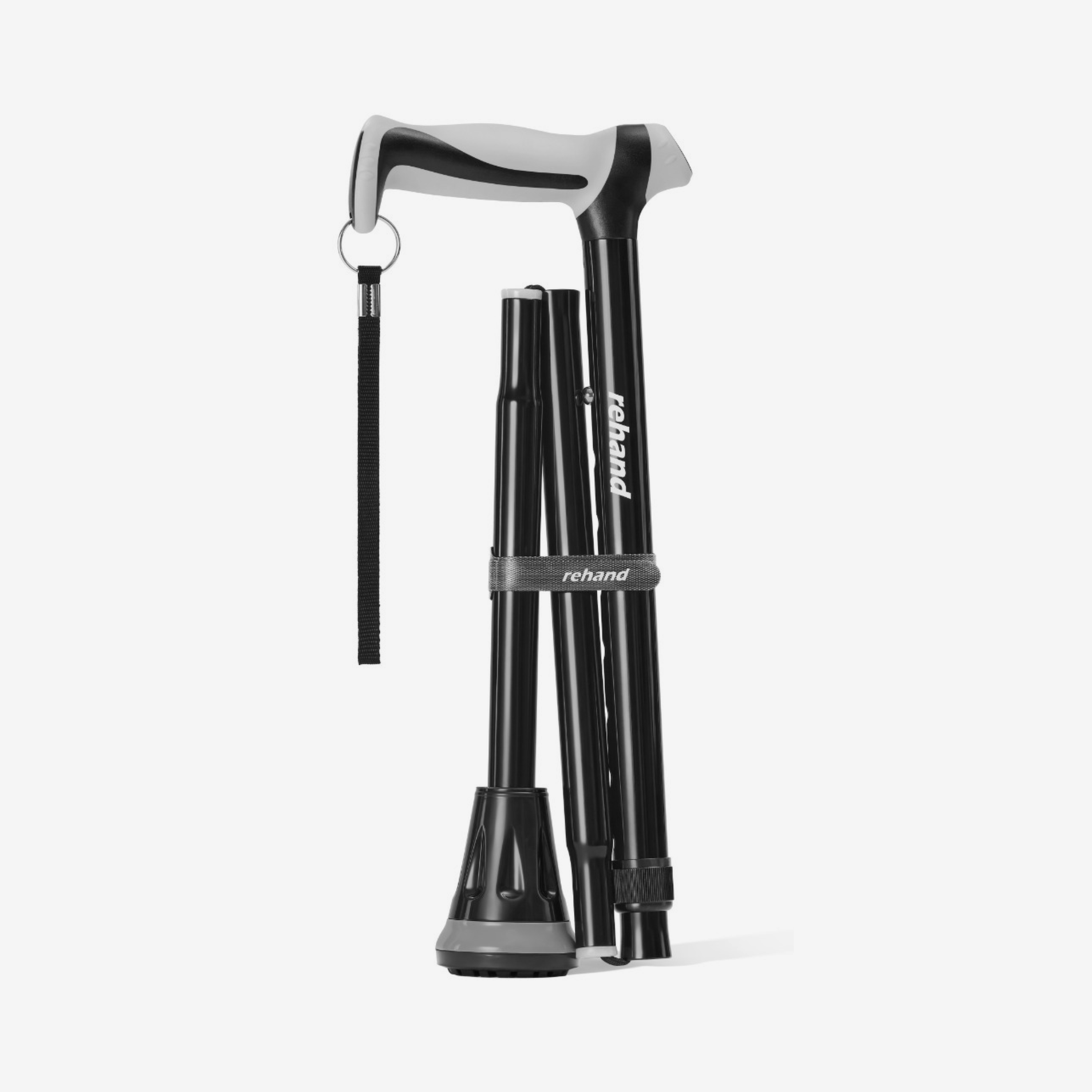
For travel or occasional use, compare the folded length, product weight, number of sections, storage strap, and included bag. Do not assume every folding cane fits every carry-on or is easy for every person to assemble.
The current Rehand Foldable Walking Cane lists a 14-inch folded length and a product weight of 1.3 pounds. Those facts apply to that model only. The recipient should still be able to unfold it, seat every joint, confirm the height button, and tighten the locking collar as instructed.
7. Are the product claims specific and verifiable?
Look past phrases such as “best,” “ultimate,” or “perfect for everyone.” Check the actual:
- height range and adjustment method;
- product weight and user weight capacity;
- handle material and dimensions;
- tip or base type;
- folded size;
- included accessories;
- warranty and returns; and
- model-specific manual.
A higher capacity does not establish the correct support level. A lighter product does not automatically fit the hand. A wider base does not work on every surface. Treat each specification as one part of the decision.
8. Can worn parts be replaced?
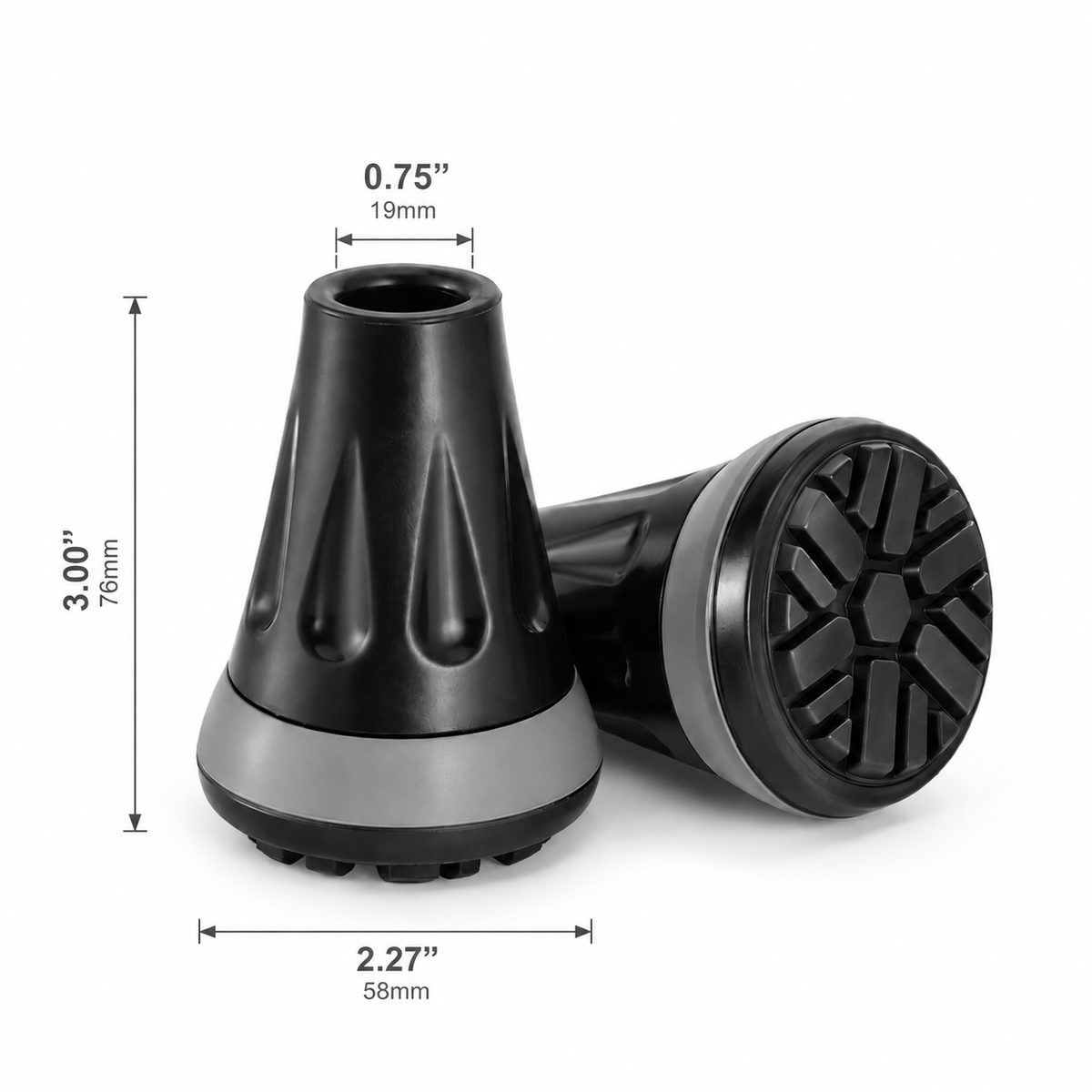
Ask whether the ground-contact part is designed to be replaced by the customer and which size fits. The Rehand 3/4-Inch Replacement Cane Tips are intended only for compatible single-tip canes with a removable 3/4-inch push-on tip. They do not fit Rehand self-standing, quad, cane-seat, or factory-installed specialty bases.
Do not buy an accessory based only on appearance. Confirm the model, shaft measurement, attachment method, and manufacturer instructions.
9. Can the recipient exchange it easily?
Even careful measurements cannot predict every preference. Confirm the return period, product condition requirements, shipping policy, warranty, and whom to contact before placing the order.
Keep the order number and packaging until the recipient has checked the product. When the cane arrives, inspect it, set the height, review the manual, and practice on a clean, dry, level surface before the first outing.
A better way to give a walking cane
The best cane gift is not the one with the most features. It is the one chosen with the recipient’s input, matched to verified measurements and daily tasks, and supported by clear instructions and a practical return option.
Start with the Rehand Fit Guide, compare the Walking Canes Collection, and invite your loved one to make the final choice with you.
Sources
- Mayo Clinic — Tips for choosing and using canes, updated July 30, 2026; accessed October 27, 2026.
- American Academy of Orthopaedic Surgeons — How To Use Crutches, Canes, and Walkers, accessed October 27, 2026.
- Rehand Fit Guide, current site accessed October 27, 2026.
- Rehand Walking Canes Collection, current site accessed October 27, 2026.