

A lightweight walking cane is usually a cane with a relatively low product weight—but “lightweight” has no single meaning unless a seller gives you an actual number. A light cane may be easier to lift, fold, or carry, yet product weight alone does not tell you whether the cane fits your height, hand, support needs, or daily route.
Before buying, compare the following eight specifications. Use the exact model page and manual rather than assuming every color, base, or variant shares the same facts.
1. Published product weight
Start with ounces or pounds, not the adjective “lightweight.” Check whether the number refers to the cane itself, the shipping package, or a different variant.
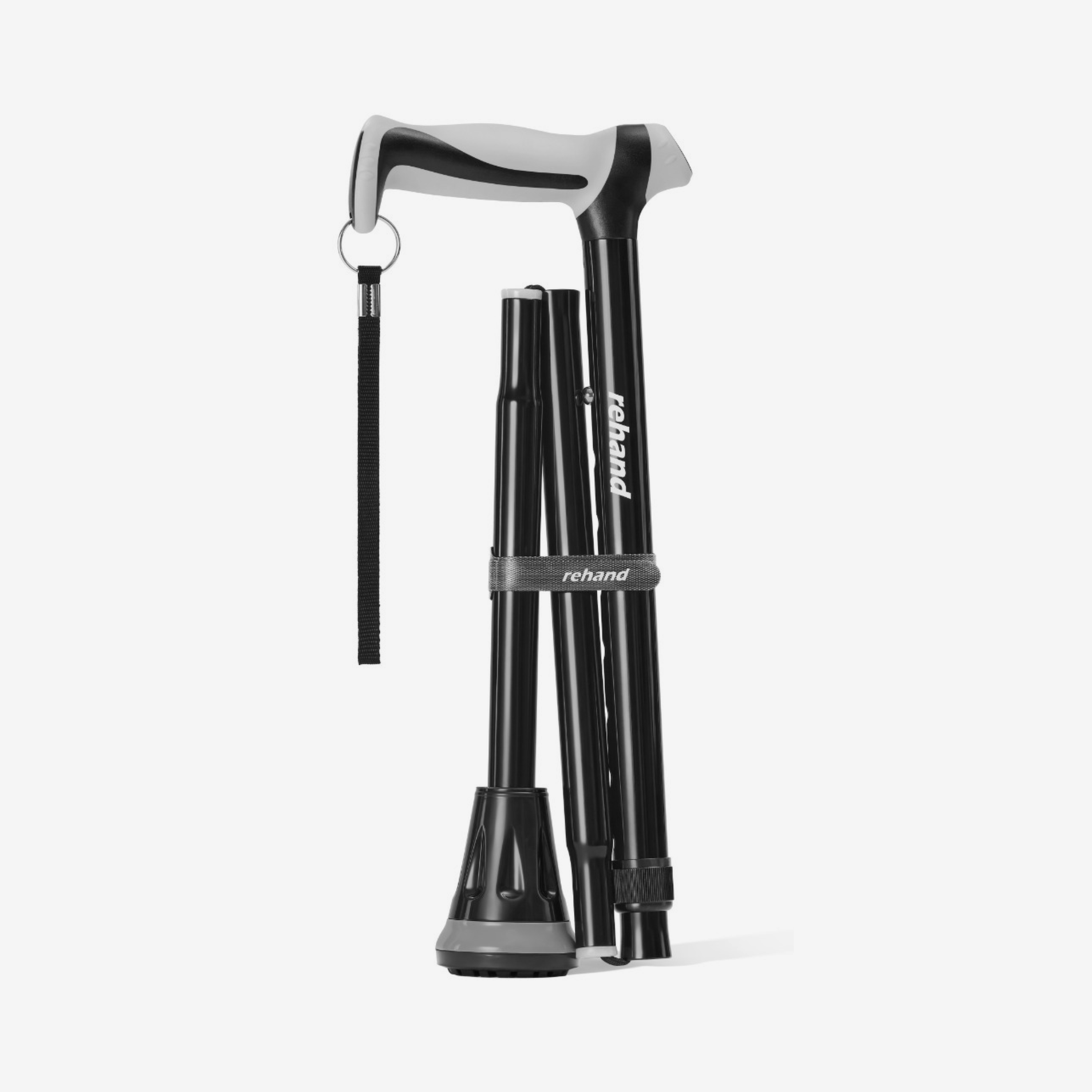
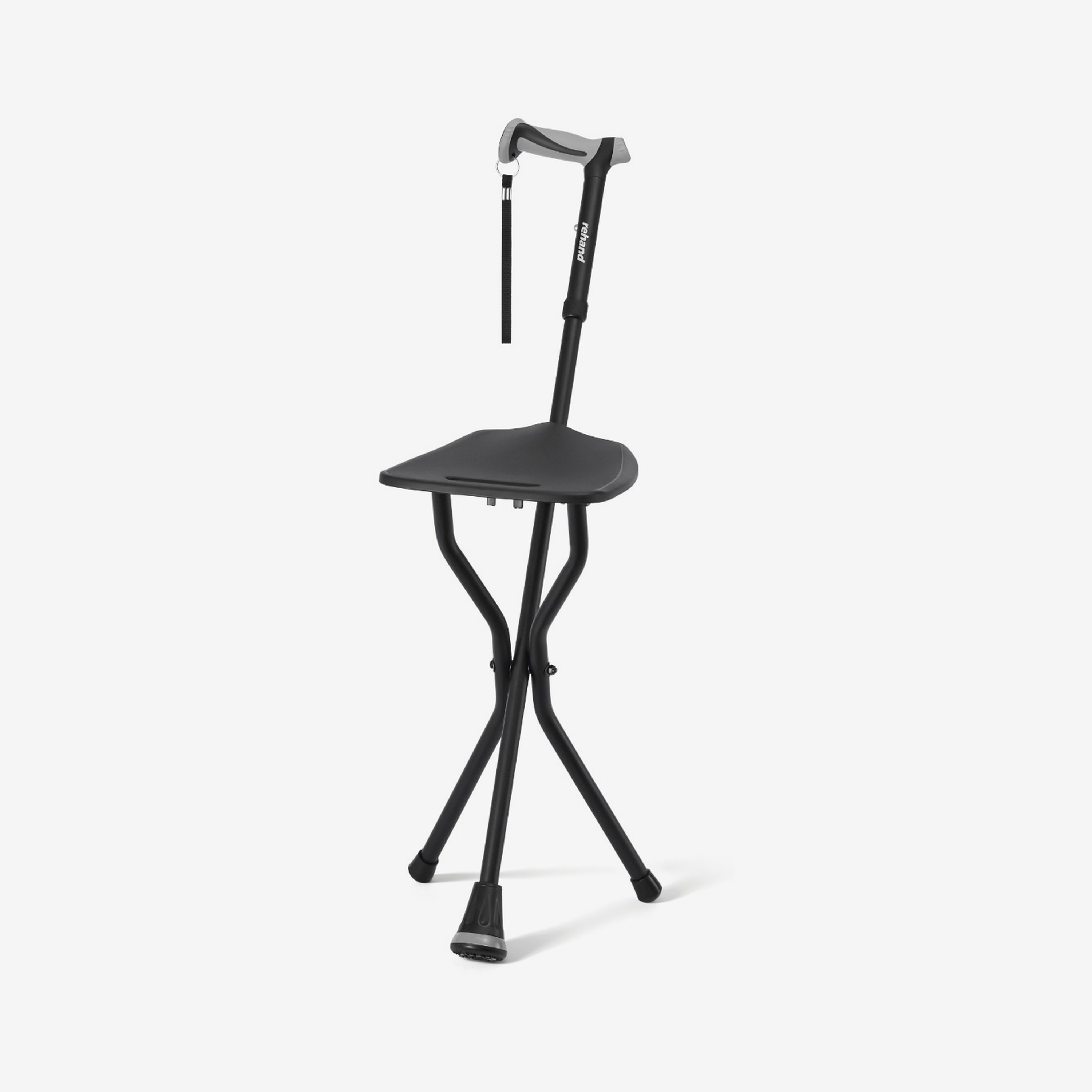
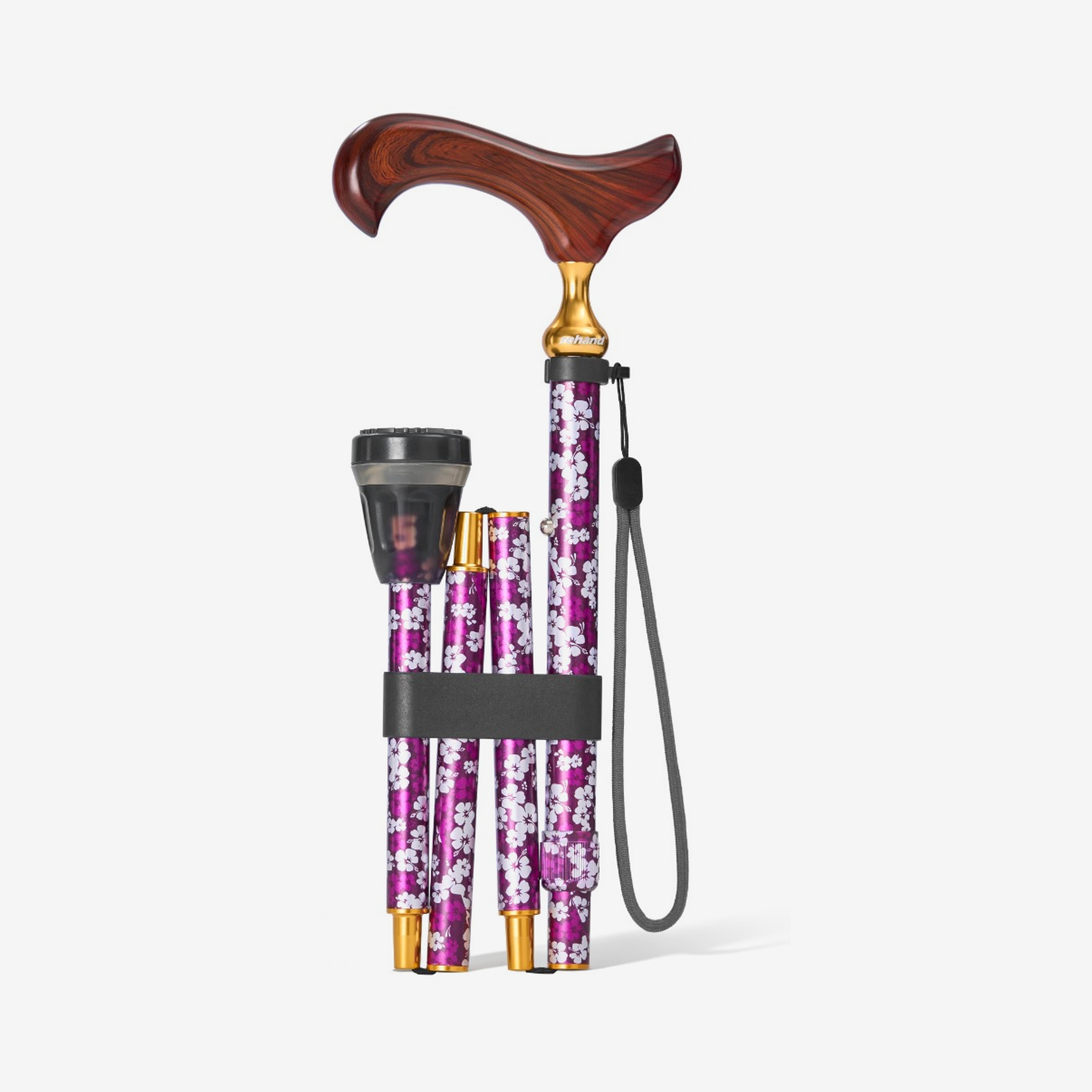
The current Rehand Foldable Walking Cane lists a product weight of 1.3 pounds. Rehand’s floral folding model is listed at 0.73 pound in current product records. These numbers belong to those named models; they should not be applied to self-standing, quad, LED, or cane-seat designs.
When comparing two products, also ask whether the stated weight includes a strap, base, light, or other attached component.
2. Height range and adjustment increments
A low product weight is not useful if the handle cannot be set to the correct height. Compare the minimum height, maximum height, number of settings, and distance between settings.
A common general fit check is to stand in ordinary shoes with the arm relaxed and compare the handle with the wrist crease. When holding the cane, the elbow should remain slightly bent. A clinician may provide different instructions for an individual situation.
The Rehand Foldable Walking Cane lists eight one-inch settings from 31 to 38 inches. That is a discrete eight-level system, not stepless adjustment.
3. User weight capacity
Product weight and user weight capacity are different specifications. One describes how much the cane itself weighs; the other is the manufacturer’s stated user limit.
Never infer capacity from the material, shaft diameter, or how heavy the product feels. Confirm the live model listing and stay within its published limit. Then separately evaluate the support category, fit, handle, base, locks, and condition.
The current Rehand Foldable Walking Cane lists a 350-pound capacity, while the floral model’s current record lists 220 pounds. A shopper should not assume every Rehand cane carries the higher figure.
4. Folded length and shape
For travel, folded length may matter as much as weight. A cane can be light but still too long or bulky for the bag, drawer, vehicle compartment, or storage point you plan to use.
Check the stated folded length and the shape created by the handle and tip. Compare it with the inside dimensions of the actual bag—not just labels such as “carry-on friendly.”
The current Rehand Foldable Walking Cane is listed at 14 inches when folded. Follow the model instructions when opening it, and confirm that every section is fully seated before use.
5. Handle size, material, and control
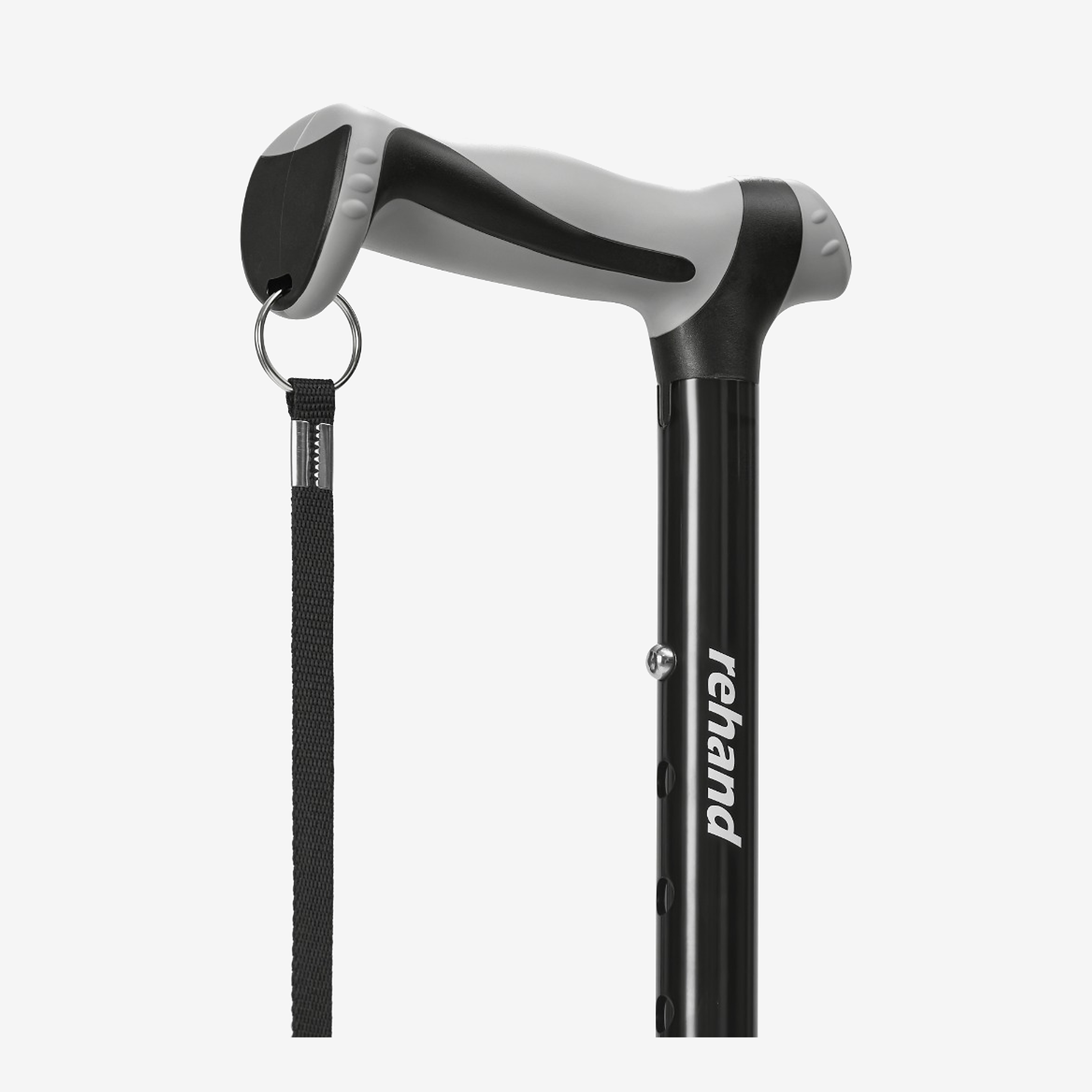
A cane may be easy to carry yet difficult to control if the grip does not fit the hand. Compare handle width, shape, firmness, surface texture, and whether the grip is designed for either hand or a specific side.
Do not treat “ergonomic” as a guarantee. It describes a design goal, not a universal result. A broad soft grip, rigid wood handle, or contoured palm grip may feel different to each person.
If hand strength, sensation, joint movement, or pain affects grip, ask a physical or occupational therapist to assess the device.
6. Tip or base design
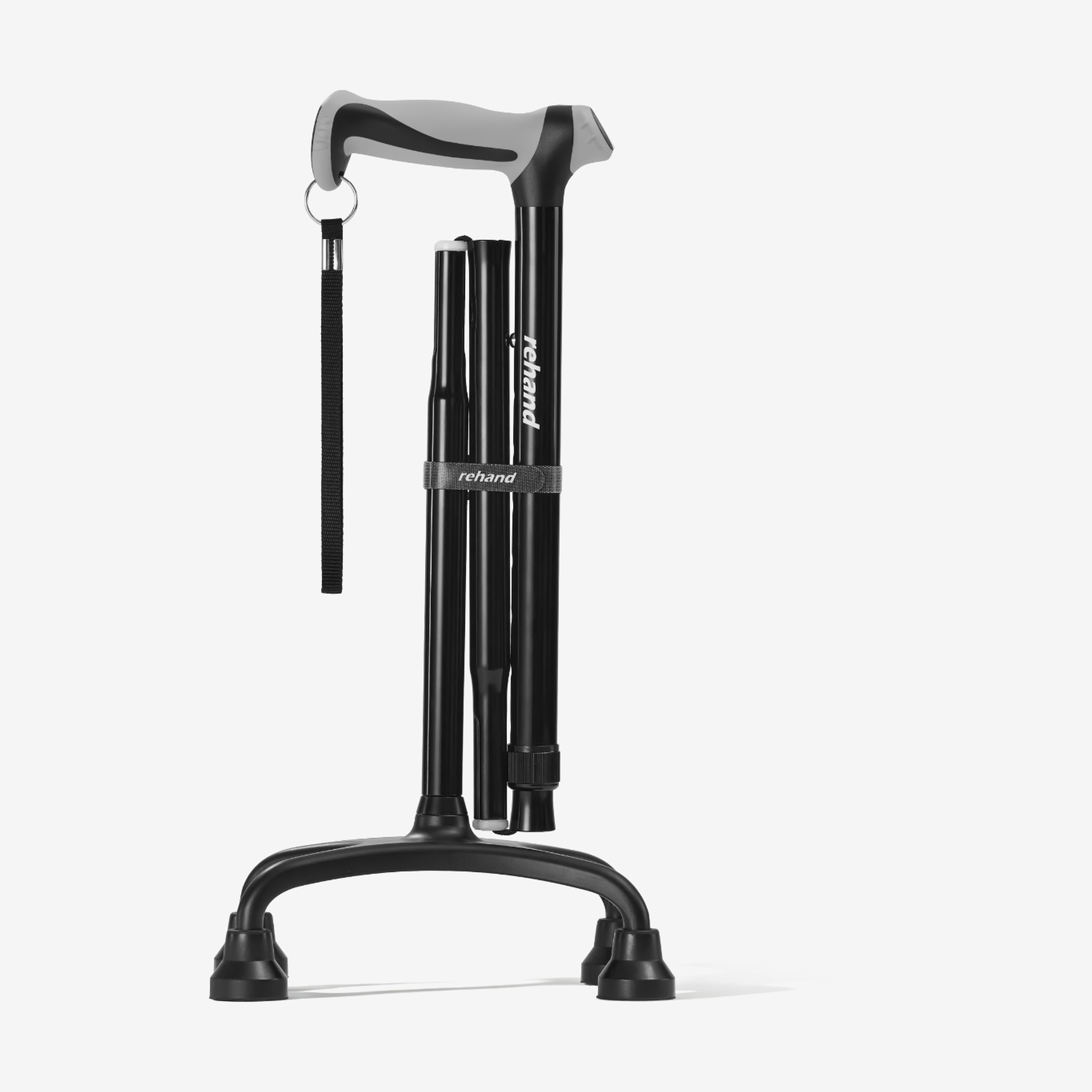
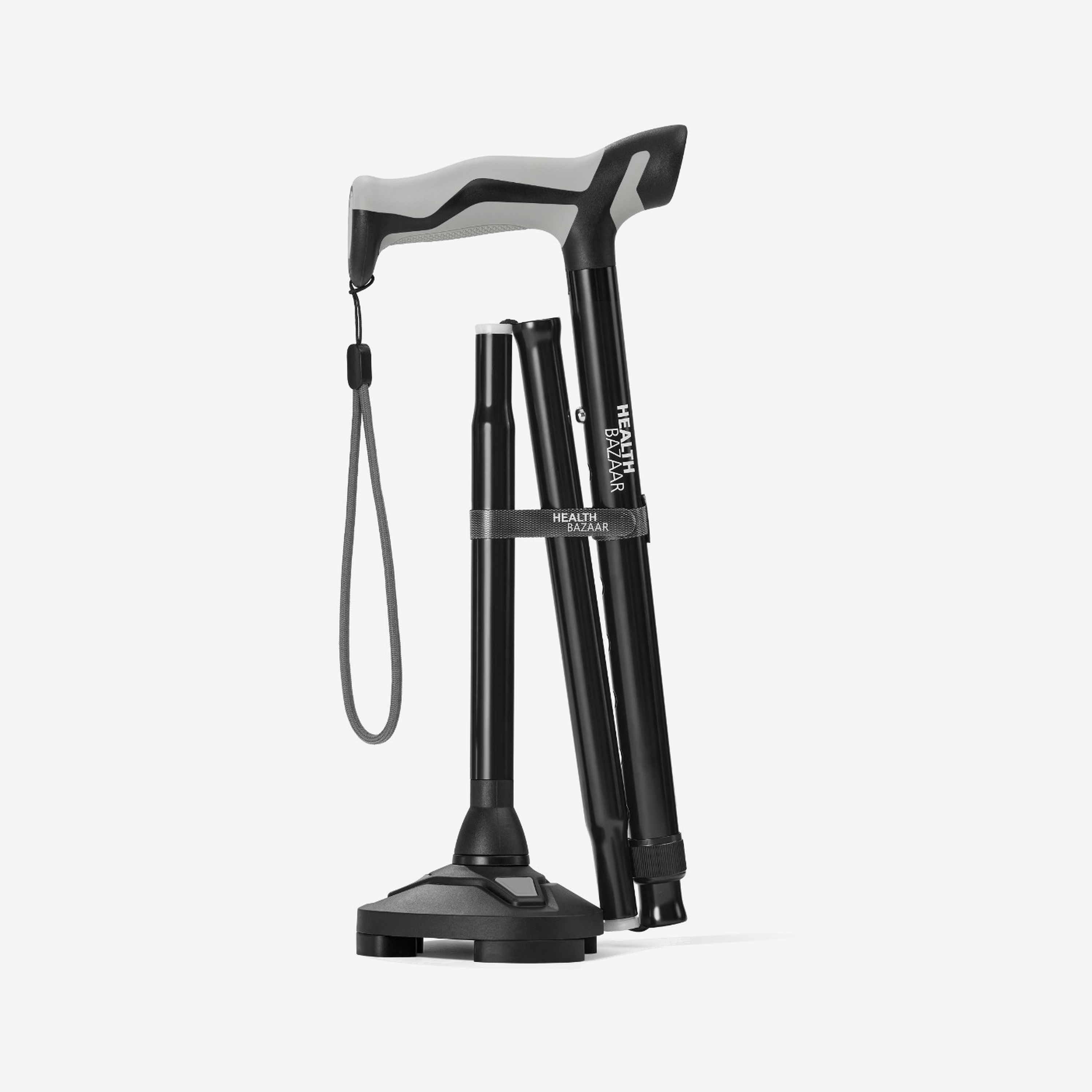
A single tip, self-standing base, and quad base have different footprints and handling characteristics. Adding a multi-point base or another feature can change how the cane feels even when the total product weight remains low.
Compare where the cane will be placed: beside shoes, between furniture, at a checkout, on a sidewalk, or in a car. A self-standing cane can still tip when bumped or placed on an unsuitable surface. A quad cane needs its intended contact points placed correctly.
The base type must match the person’s needs; it should not be selected from weight alone.
7. Locking and folding hardware
Lightweight construction does not remove the need for secure joints and locks. Before use, check:
- every folding section is fully joined;
- the height button is completely seated;
- the locking collar is tightened if the manual requires it;
- the shaft is straight;
- the handle and strap are secure; and
- the tip or base is not loose, cracked, or excessively worn.
Stop using the cane if a lock will not hold or a structural component is damaged. Tape, glue, or improvised spacers are not substitutes for a compatible part or manufacturer support.
8. The full daily handling sequence
Think beyond one product number. Can the person:
- remove the cane from storage;
- unfold it without trapping fingers;
- confirm the joints and height lock;
- control the cane while walking;
- place it safely during a pause;
- fold it again; and
- carry it for the expected distance?
Try this sequence on a clean, dry, level surface before relying on the cane outdoors. If the device is new or the person’s mobility needs have changed, ask a qualified clinician to confirm the aid and technique.
Lightweight is one specification—not the decision
The best comparison is not “Which cane weighs the least?” It is “Which correctly fitted cane can this person set up, control, maintain, and carry during the routine that matters?”
Use the published product weight as a useful filter, then verify height range, capacity, folded size, handle, base, locks, and setup. Compare the current Rehand Walking Cane Collection when you are ready to check model-specific facts.
Sources
- Mayo Clinic — Tips for choosing and using canes, updated July 30, 2026; accessed October 27, 2026.
- AAOS — How To Use Crutches, Canes, and Walkers, accessed October 27, 2026.
- Rehand Foldable Walking Cane, accessed October 27, 2026.
- Rehand Walking Canes Collection, accessed October 27, 2026.