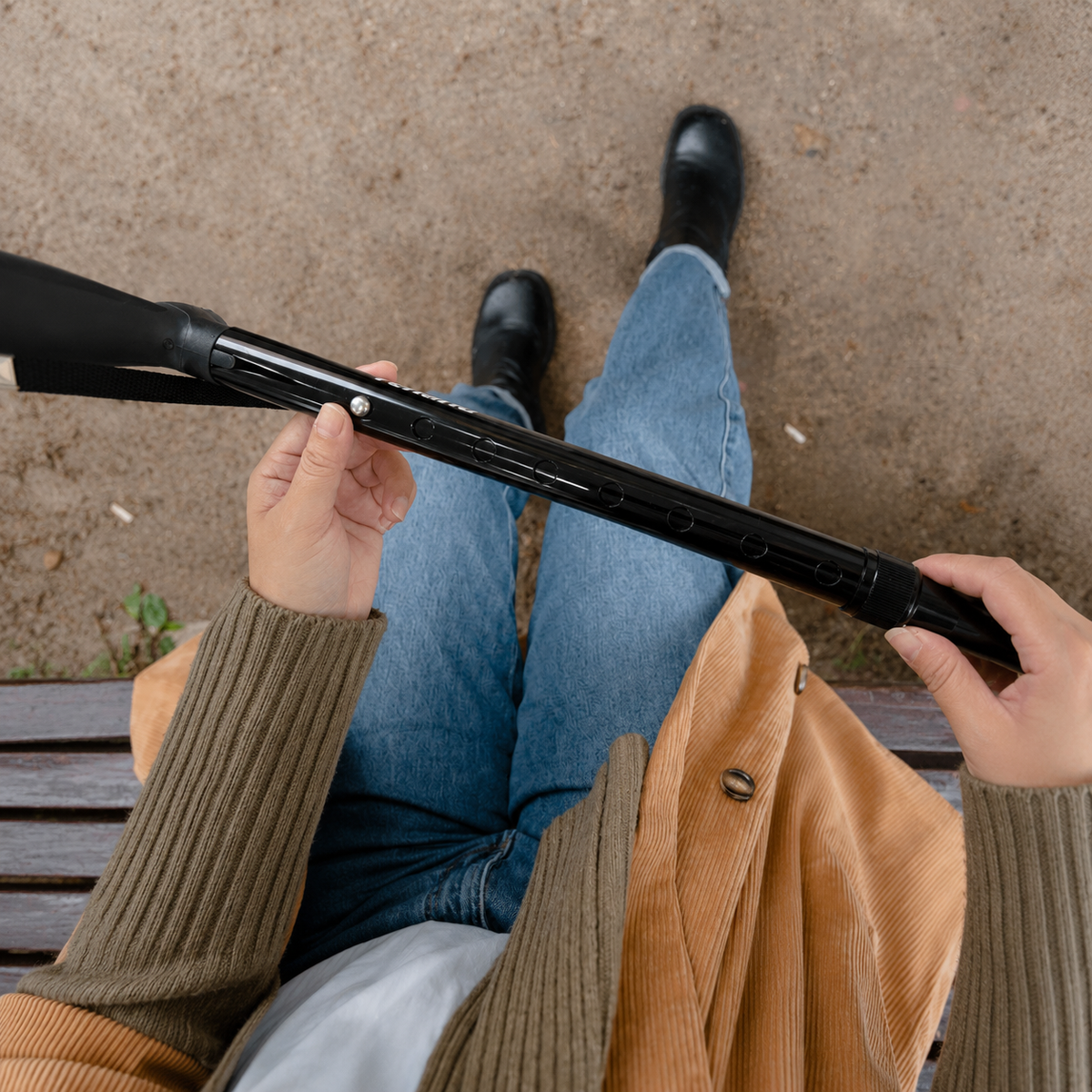
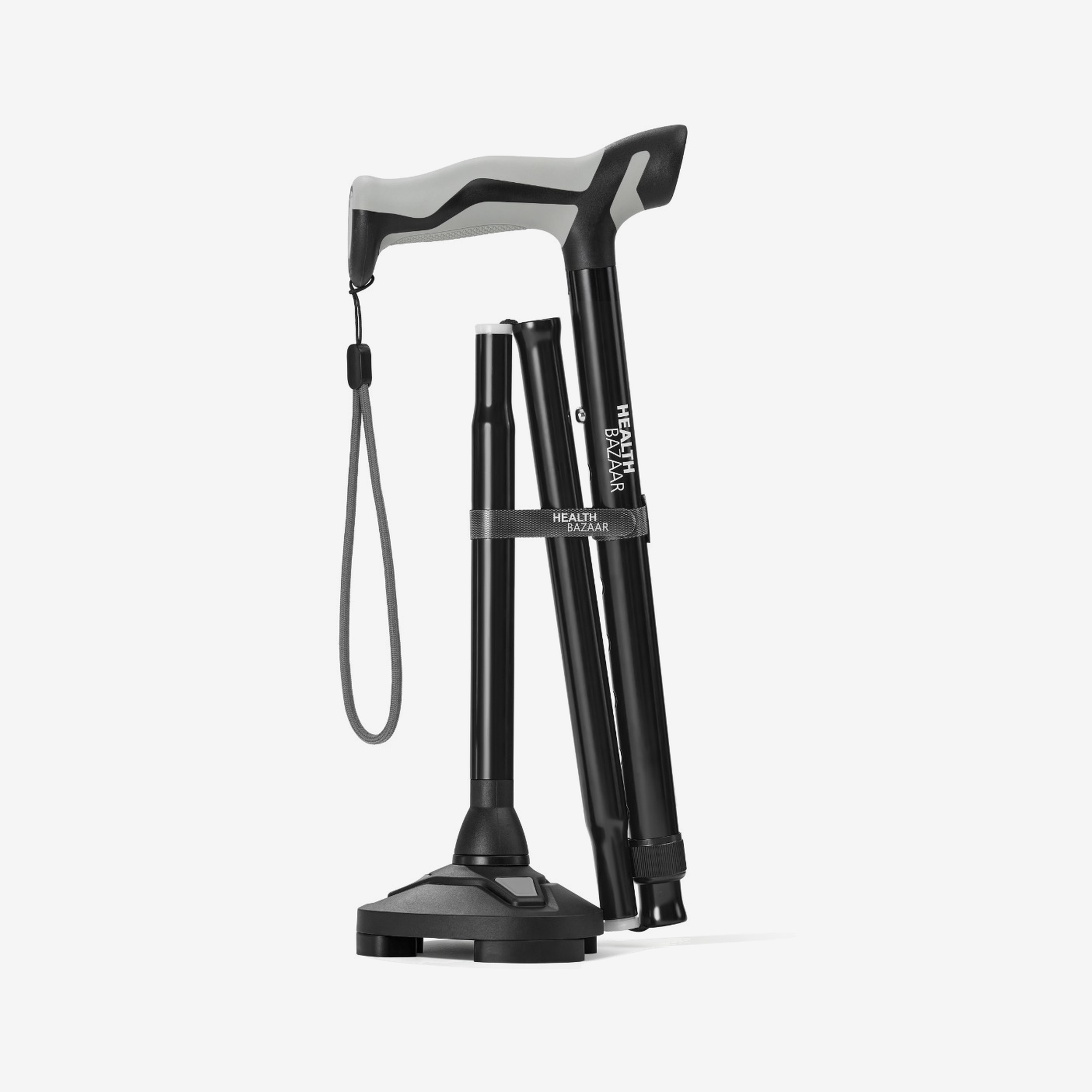
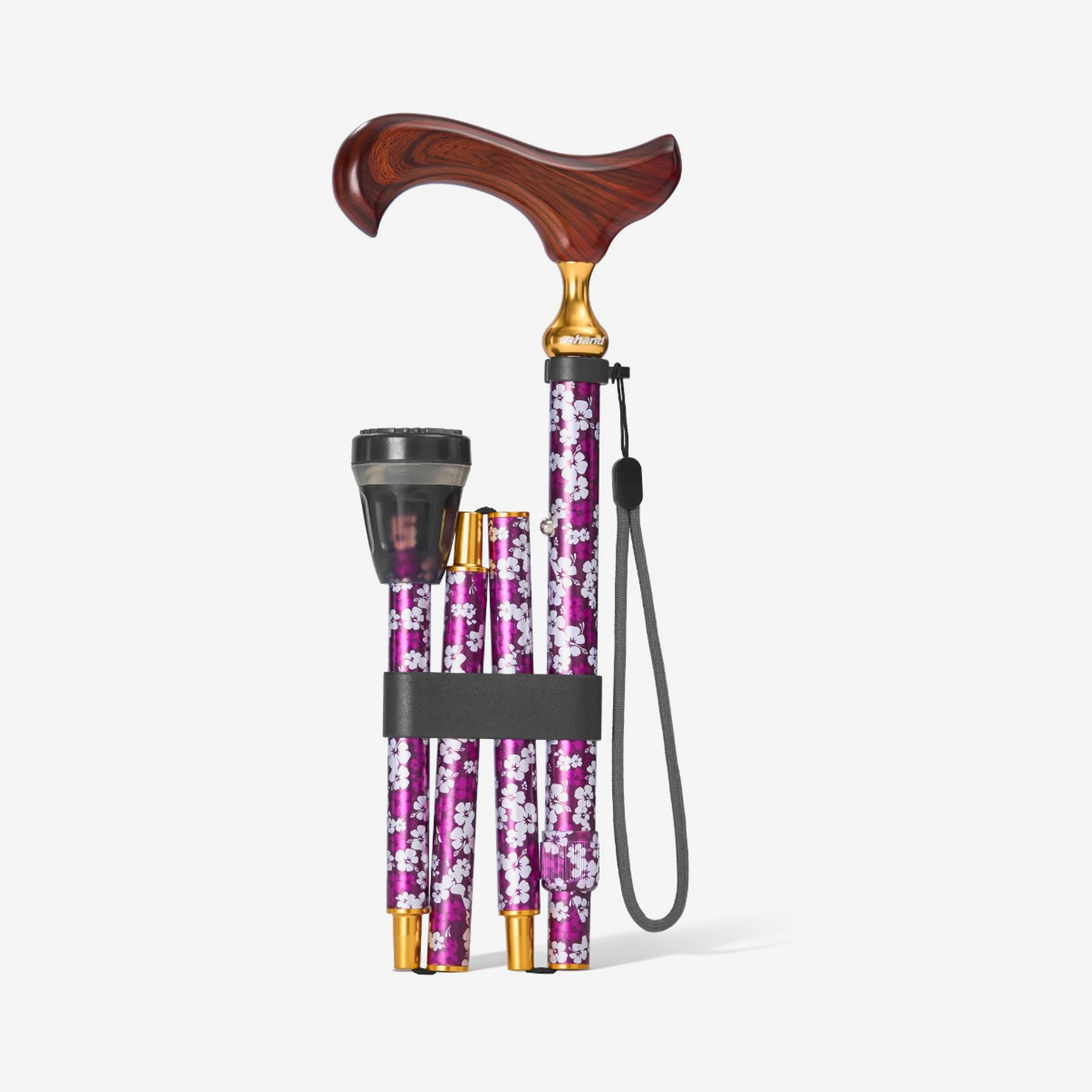
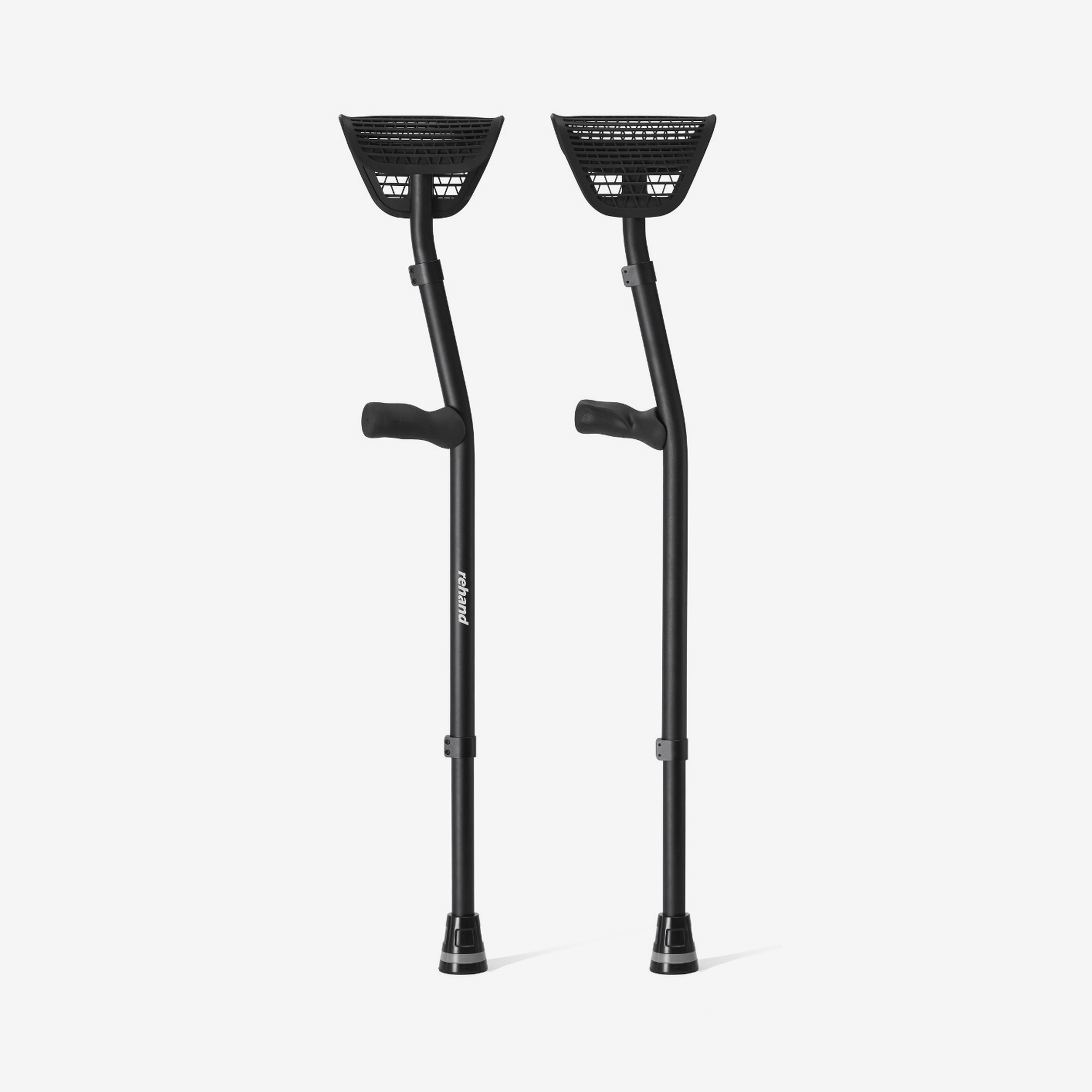
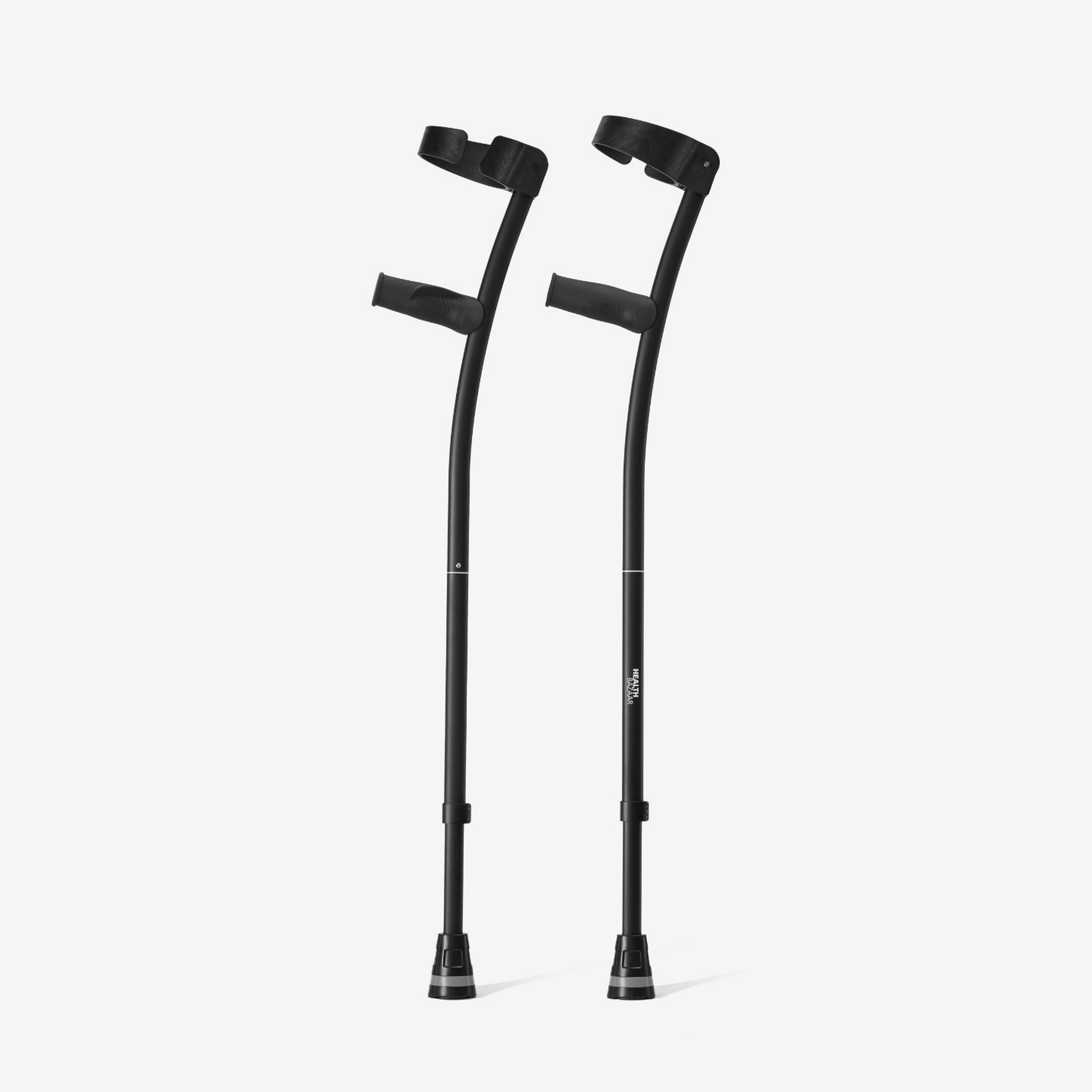
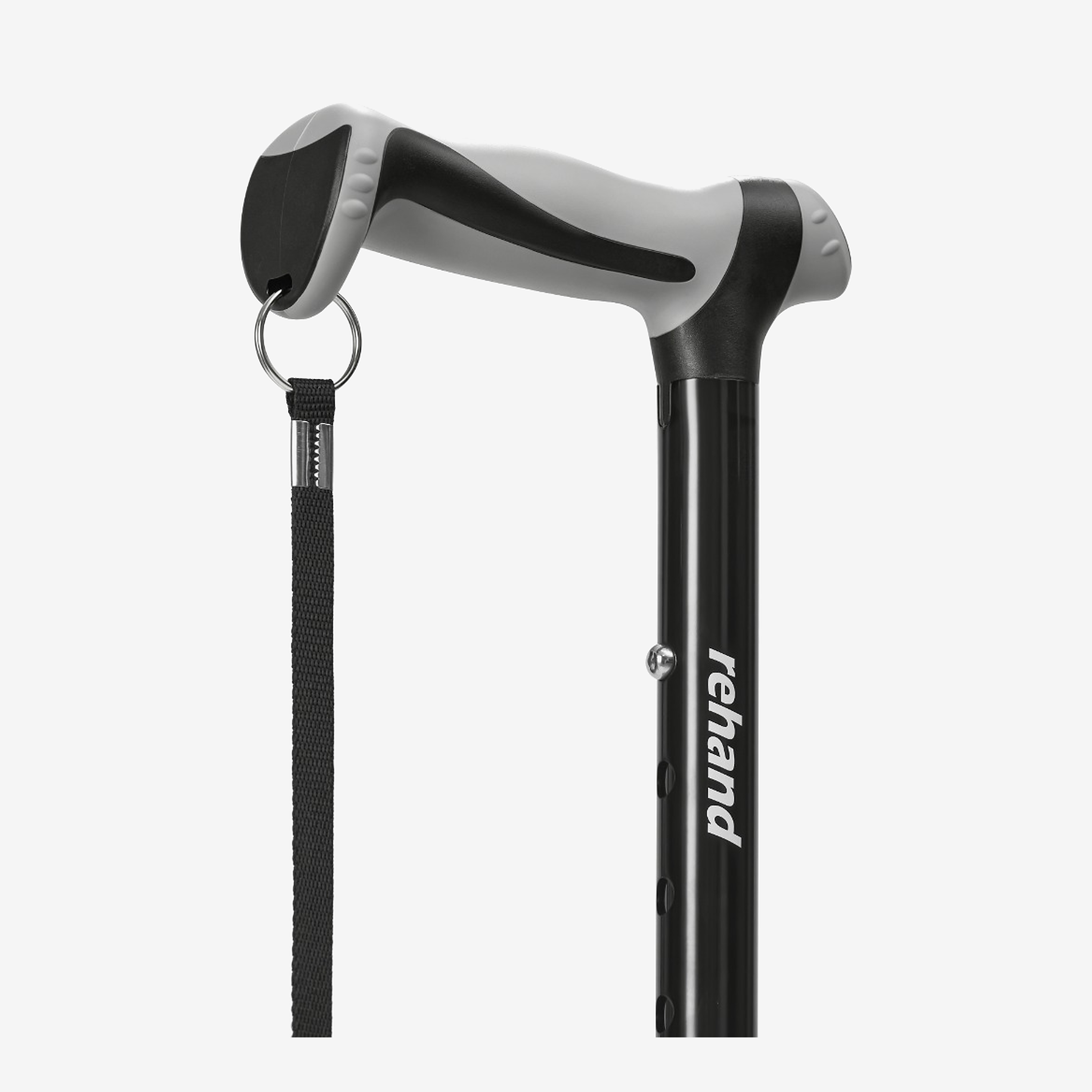

A cane adds one point of contact and is commonly considered when someone needs modest support. A walker surrounds the user with a broader frame and may be more appropriate when greater help with balance or weight bearing is needed. The right choice depends on the person, the environment, and any clinician-set weight-bearing limits. AAOS and the American Geriatrics Society's Health in Aging Foundation both emphasize matching the aid to the user's needs.
Start with the amount of support you need
Ask what problem the device needs to solve. Is it a small amount of extra support on one side while walking? Or do you need a device that offers a larger base and lets both hands participate? The MedlinePlus mobility-aids overview advises working with a healthcare provider or physical therapist when choosing and fitting an aid. Do not use a product weight-capacity label to decide how much body weight to unload through the device; that is a different clinical question.
If you have a recent injury, surgery, repeated loss of balance, or instructions to limit weight on a leg, get individualized advice before switching aids. A cane cannot replace a walker simply because it is easier to carry.
Compare the practical differences
| Question | Cane | Walker |
|---|---|---|
| Hands needed during use | Usually one | Usually two |
| Footprint | Smaller | Larger |
| Support pattern | One additional ground contact | Wider frame with several contacts or wheels, depending on type |
| Fit | Handle height and tip/base must suit the user | Grip height, frame type, tips or wheels must suit the user |
| Home route | Easier to carry through some tight spaces | Needs enough room to turn and position safely |
These are design comparisons, not a recommendation for any diagnosis. Walkers also differ from one another: a pickup walker, front-wheeled walker and four-wheeled rollator do not behave the same way. The Mayo Clinic walker guide explains these differences.
Think about your actual route
Walk through the places where you expect to use the aid: bedroom, bathroom, front door, sidewalk, and car. Consider clearances, storage, curbs, and whether someone needs to carry the device. A narrow hallway does not make a cane the right choice if you actually need a walker. Our narrow-space cane guide focuses on footprint once a cane has already been judged appropriate.
Check fit before comparing features
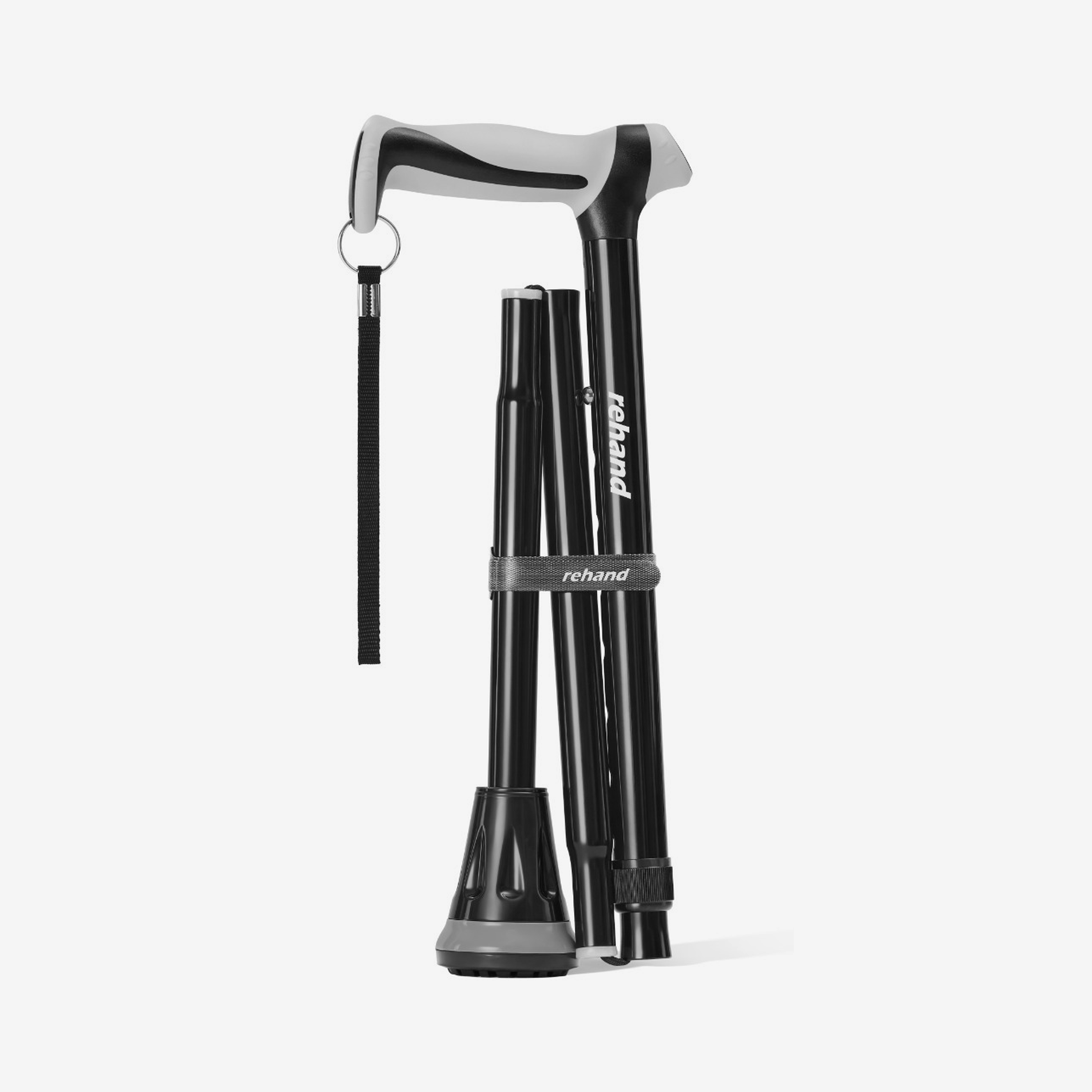
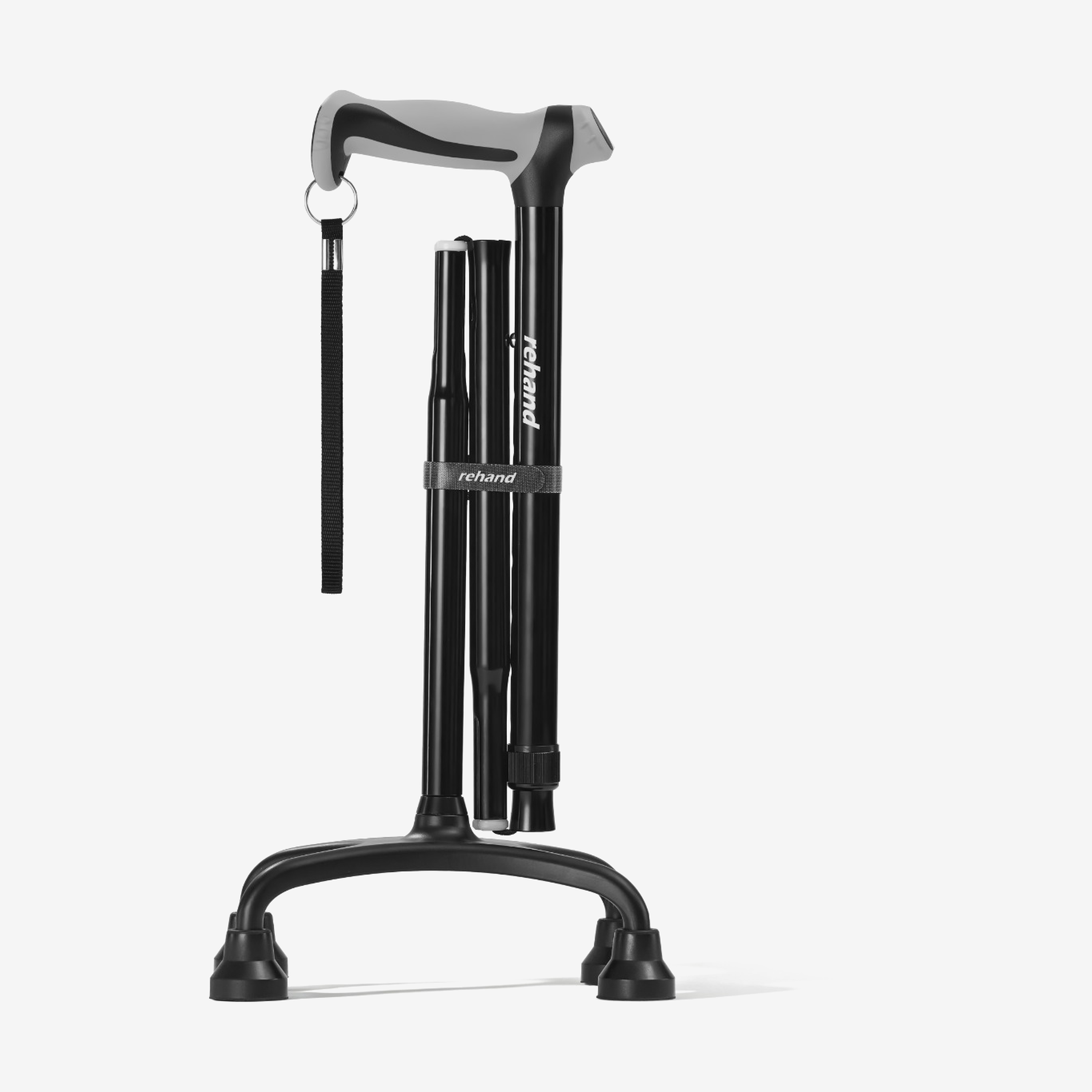
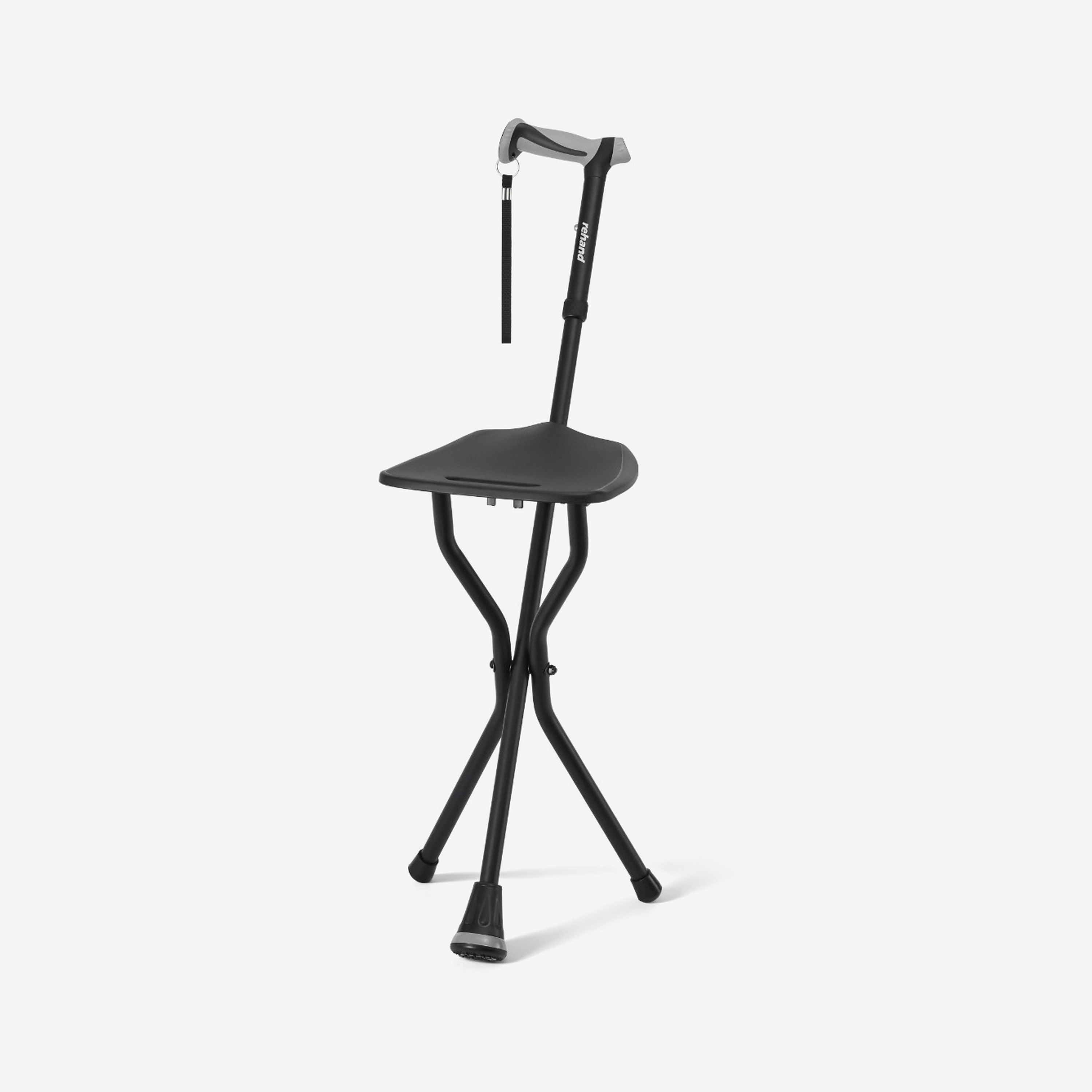
A comfortable grip, appropriate height, and sound ground contact matter for either option. The Rehand Fit Guide can help you understand common cane measurements; a clinician should confirm individual fit and gait instructions. Compare Rehand's current walking cane range only after you know a cane fits your support needs. For a compact example, the current Rehand Foldable Walking Cane has an adjustable height range listed on its product page; verify that range rather than choosing by appearance alone.
Next step: If your care team has recommended a cane, compare the Rehand walking cane collection by height range, base and handle. If the right level of support remains uncertain, ask a physical or occupational therapist before buying.
Sources
- American Academy of Orthopaedic Surgeons, How To Use Crutches, Canes, and Walkers, accessed September 29, 2026.
- American Geriatrics Society Health in Aging Foundation, Choosing the Right Cane or Walker, accessed September 29, 2026.
- U.S. National Library of Medicine, Mobility Aids, accessed September 29, 2026.
- Mayo Clinic, Tips for choosing and using walkers, accessed September 29, 2026.