
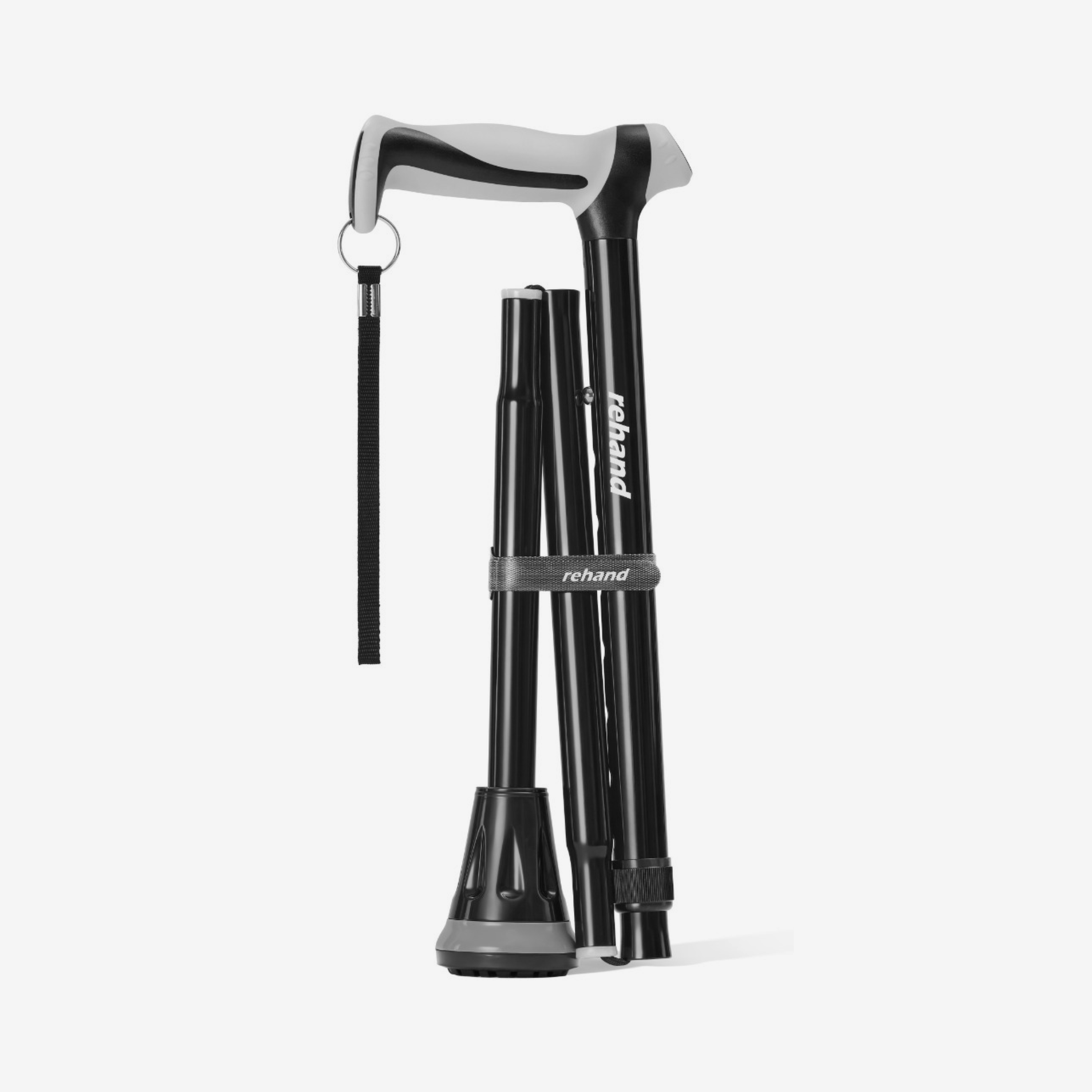
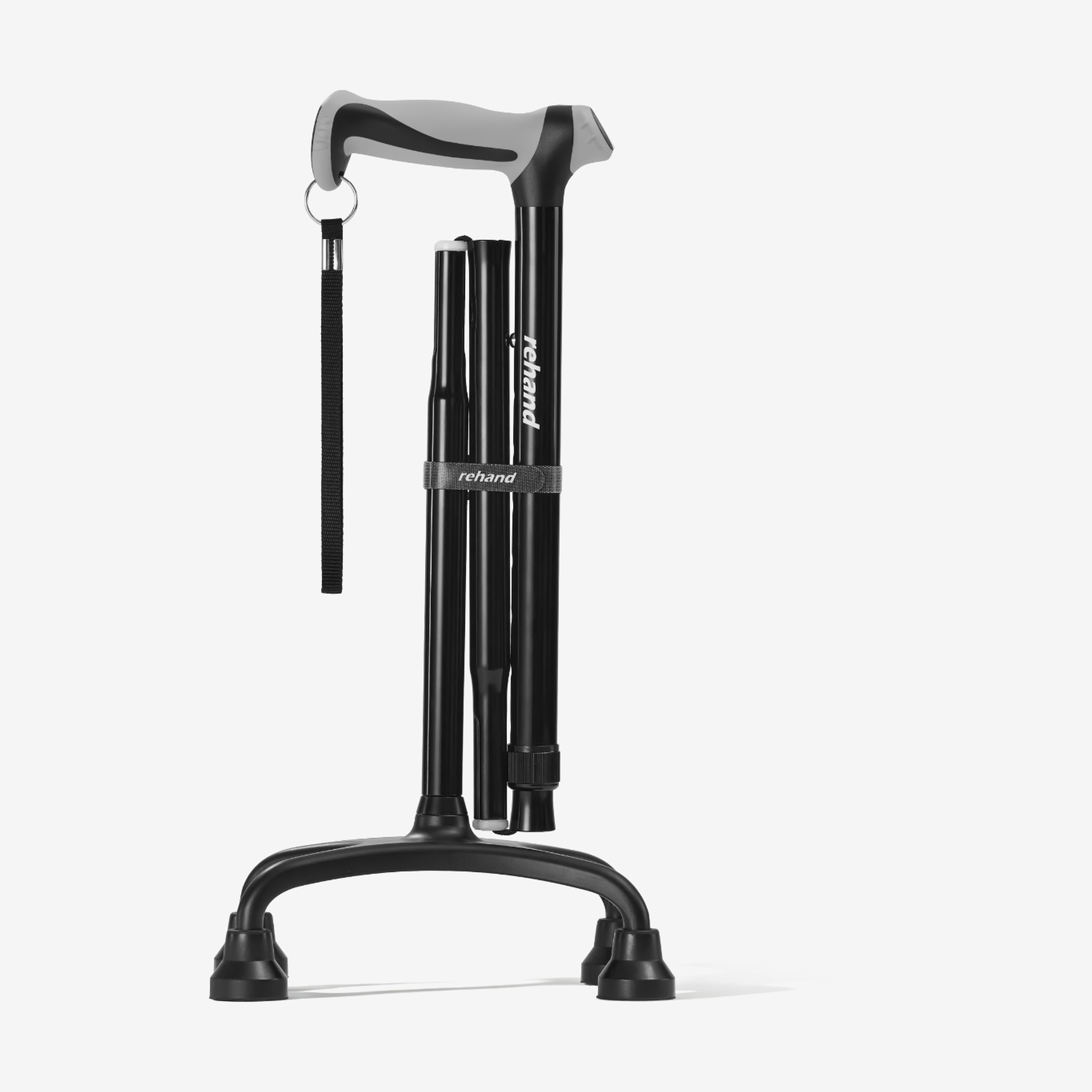
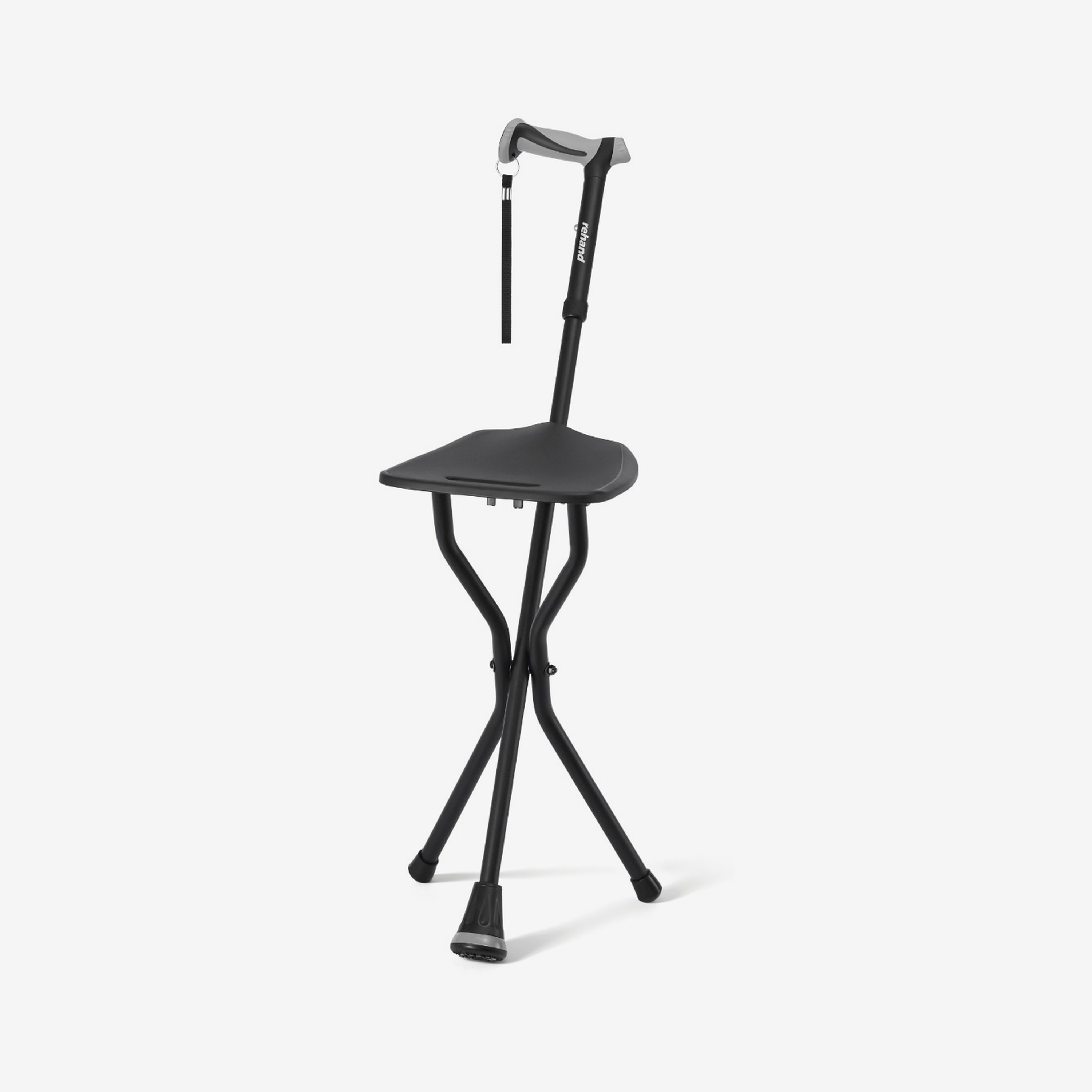
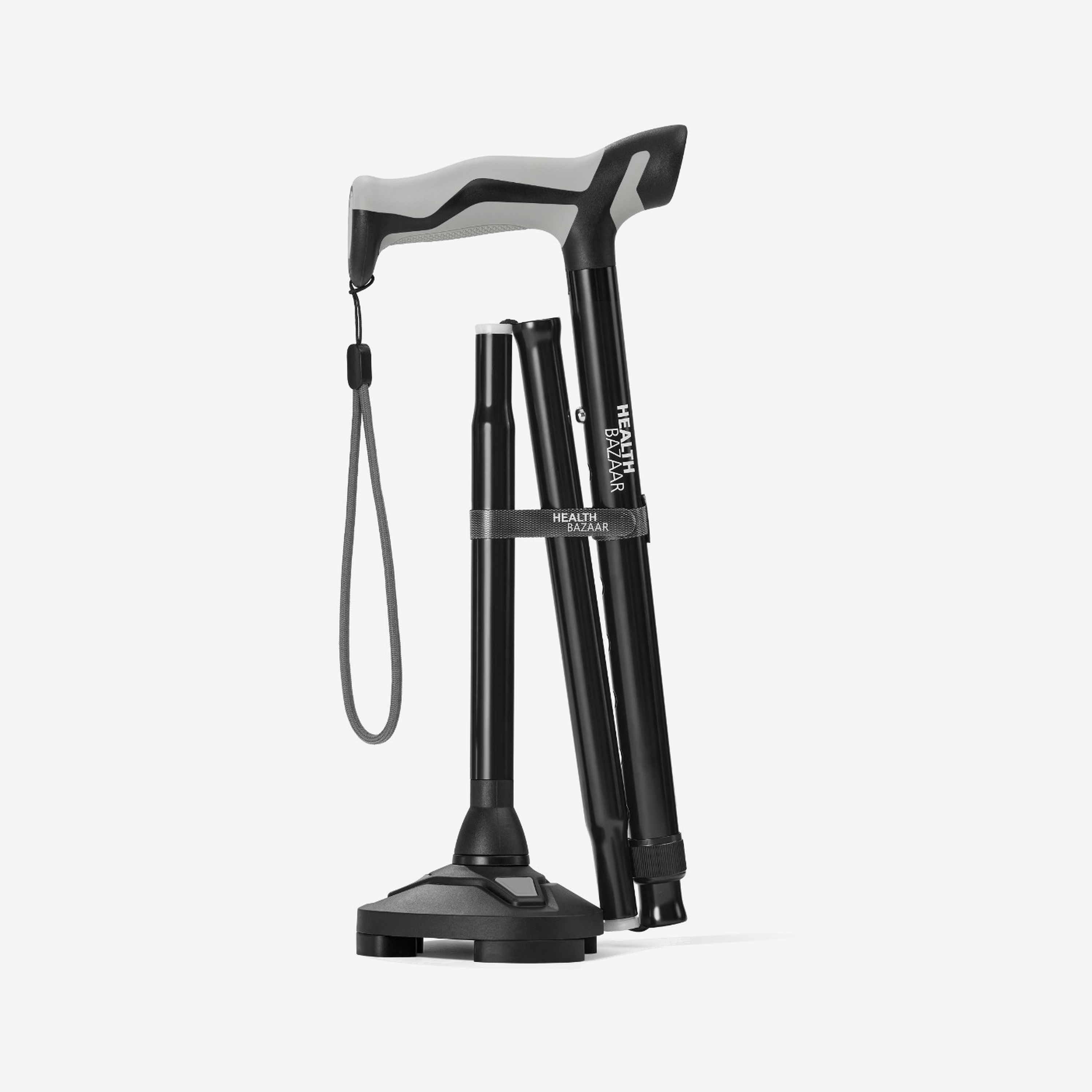

An adjustable cane is usually easier to fit, change, share, and pack, while a fixed-height cane offers a simple one-piece length once it has been measured and cut correctly. Neither style is automatically safer or better for everyone. Start with the correct height, the amount of support you need, handle comfort, weight capacity, and where you will use and store the cane.
The Main Difference
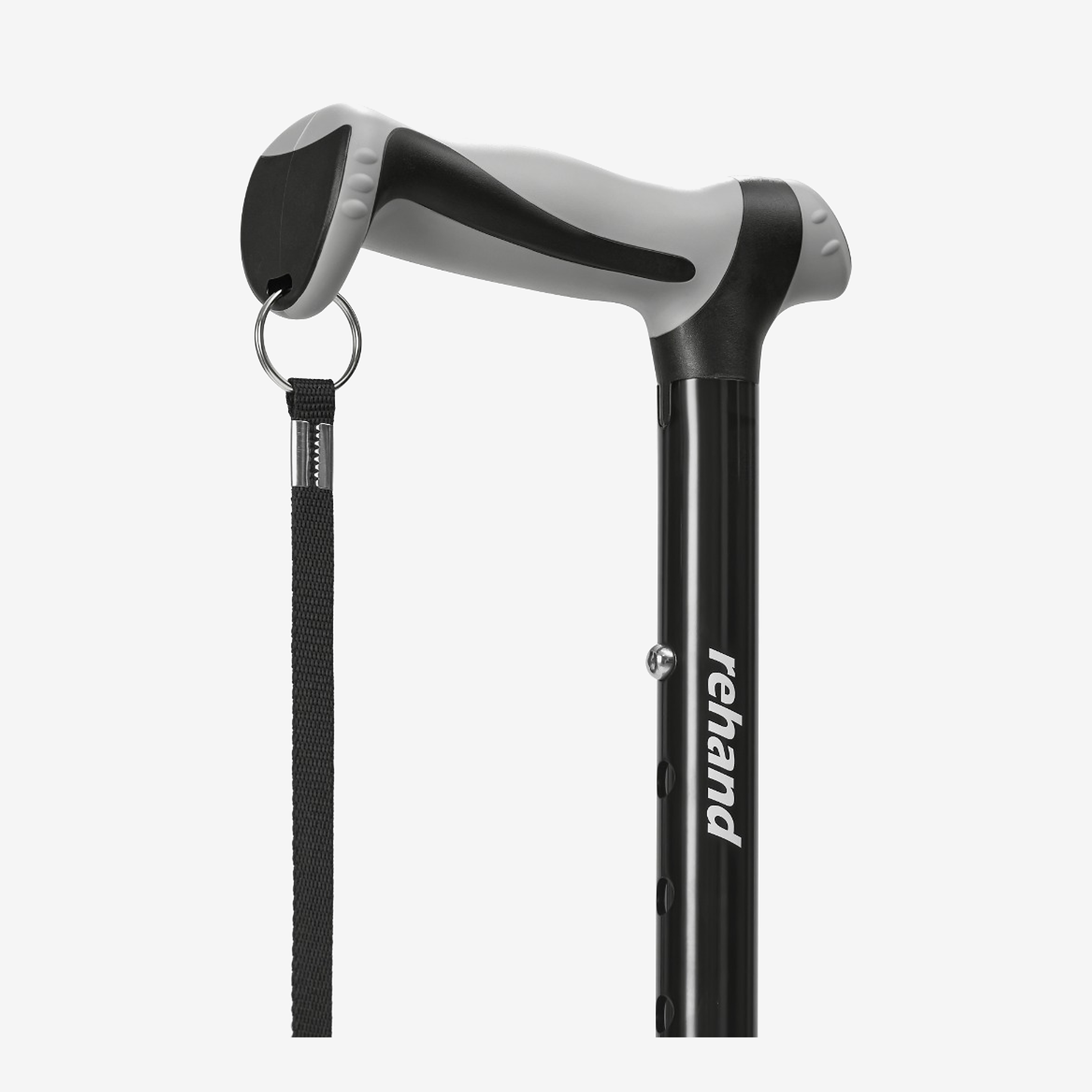
An adjustable cane uses a telescoping shaft with a button, collar, clamp, or another locking system. Some adjustable canes also fold, but “adjustable” and “folding” are separate features.
A fixed-height cane has one set length. A wooden cane may be shortened by cutting the shaft and reinstalling the tip; other fixed canes are sold in predetermined sizes. Once shortened, it generally cannot be lengthened again.
Comparison at a Glance
| Decision factor | Adjustable cane | Fixed-height cane |
|---|---|---|
| Initial fitting | Multiple settings make fitting easier | Must be purchased or cut to the correct length |
| Future changes | Height can be changed within its range | Usually cannot be lengthened after cutting |
| Travel/storage | Some models fold compactly | One-piece styles remain full length |
| Moving parts | Button/collar or clamp requires inspection | Fewer adjustment components |
| Noise | May rattle if not fully locked | Fewer telescoping parts |
| Style/material | Commonly aluminum; many handles/bases | Often wood but other materials exist |
| Sharing | Can be reset for another person if appropriate | Set for one height |
When an Adjustable Cane May Fit Better
Consider an adjustable cane when:
- you are buying your first cane and want room to refine the fit;
- different shoes change your standing height slightly;
- a clinician may adjust the device during follow-up;
- compact storage or folding travel is important;
- the cane may need to be reset within its approved range.
Adjustment range matters. Confirm that your wrist-crease measurement falls within the model’s published settings. Do not choose a cane simply because the marketing lists a broad user-height range.
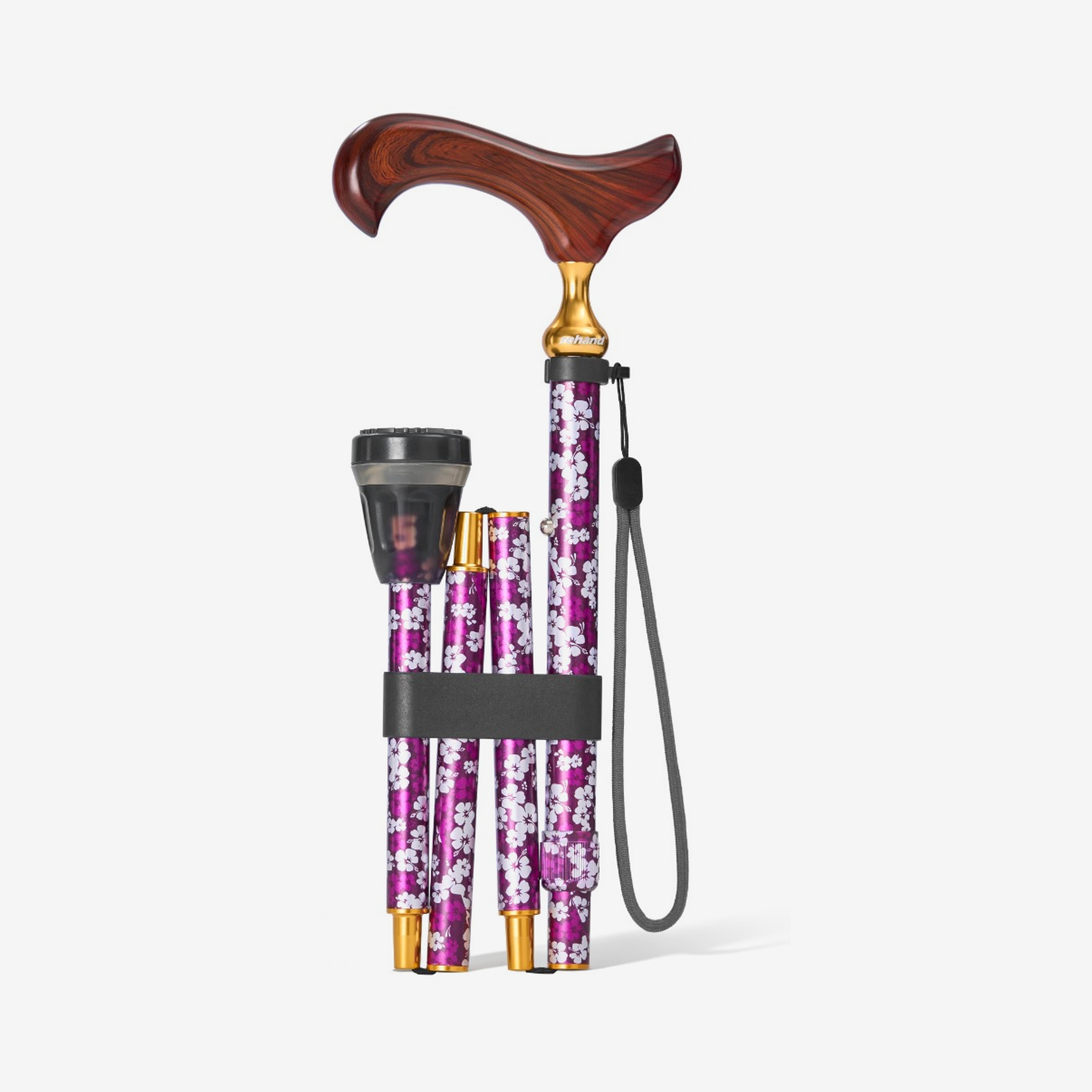
The Rehand Foldable Walking Cane uses eight one-inch settings from 31 to 38 inches and folds to 14 inches. Those are discrete settings—not stepless adjustment. Its fit still needs to be checked for the individual user.
When a Fixed-Height Cane May Fit Better
A fixed-height cane may appeal when:
- you already know the exact finished length;
- you prefer a one-piece design with fewer adjustment parts;
- a specific wood, handle, or traditional style matters;
- you do not need compact folding storage;
- the cane has been professionally fitted or carefully measured.
Measure before cutting. Removing too much material cannot be reversed, and the rubber tip adds to the finished height. If you are uncertain, ask a mobility professional or an experienced cane retailer to fit it.
Fit Matters More Than the Mechanism
For a general fit check, stand upright in your usual walking shoes with your arms relaxed. The handle should be approximately level with the wrist crease, and the elbow should have a slight bend when holding the cane.
Mayo Clinic and MedlinePlus both describe wrist-level fitting and a slight elbow bend. Individual instructions may differ after surgery, injury, or for a specific gait pattern, so follow the clinician who assessed you.
Five Questions Before You Buy
1. How much support do you need?
A single-point cane provides a different base of support than a quad cane, crutches, or a walker. If you have substantial weakness, pain, or balance difficulty, ask a clinician whether a cane is appropriate.
2. Does the adjustment range include your measured height?
Compare your floor-to-wrist measurement with the actual cane settings. Do not rely only on labels such as “adult” or “universal.”
3. Can you operate and inspect the locking system?
You should be able to confirm that the button is fully seated and the collar is hand-tight. If hand strength or vision makes that difficult, discuss alternatives or assistance.
4. Where will you store it?
A folding adjustable cane can fit in a travel bag or small storage space. A fixed one-piece cane avoids folding joints but requires full-length storage.
5. Is the handle comfortable?
Height alone does not determine fit. Grip shape, surface, hand size, wrist position, and the intended duration of use all matter. Try the handle when possible.
Maintenance Differences
For an adjustable cane, regularly inspect the height button, collar, shaft overlap, and folding joints. For a fixed cane, inspect the handle connection, shaft, finish, and tip. For both types, check the rubber tip for wear and keep the cane clean and dry.
Never modify either type with an unapproved screw, glue, tape, or mismatched base.
Which One Should You Choose?
Choose an adjustable cane if you value flexible fitting and compact options. Choose a fixed-height cane if you have an exact measurement and prefer a simple one-piece length. If your support needs are changing—or if you are unsure whether a cane is enough—make the decision with a physical therapist, occupational therapist, physician, or other qualified clinician.
CTA
If adjustable fit and folding storage match your routine, explore the Rehand Walking Canes collection and use the Rehand Fit Guide before choosing a model.
Sources
- Mayo Clinic, “Tips for Choosing and Using Canes,” updated July 30, 2026; accessed October 13, 2026: https://www.mayoclinic.org/healthy-lifestyle/healthy-aging/in-depth/canes/art-20548206
- MedlinePlus, “Using a Cane,” reviewed April 1, 2025; accessed October 13, 2026: https://medlineplus.gov/ency/patientinstructions/000343.htm
- Rehand Fit Guide and Foldable Walking Cane PDP; accessed October 13, 2026: https://rehand.com/pages/fit-guide and https://rehand.com/products/rehand-walking-cane