
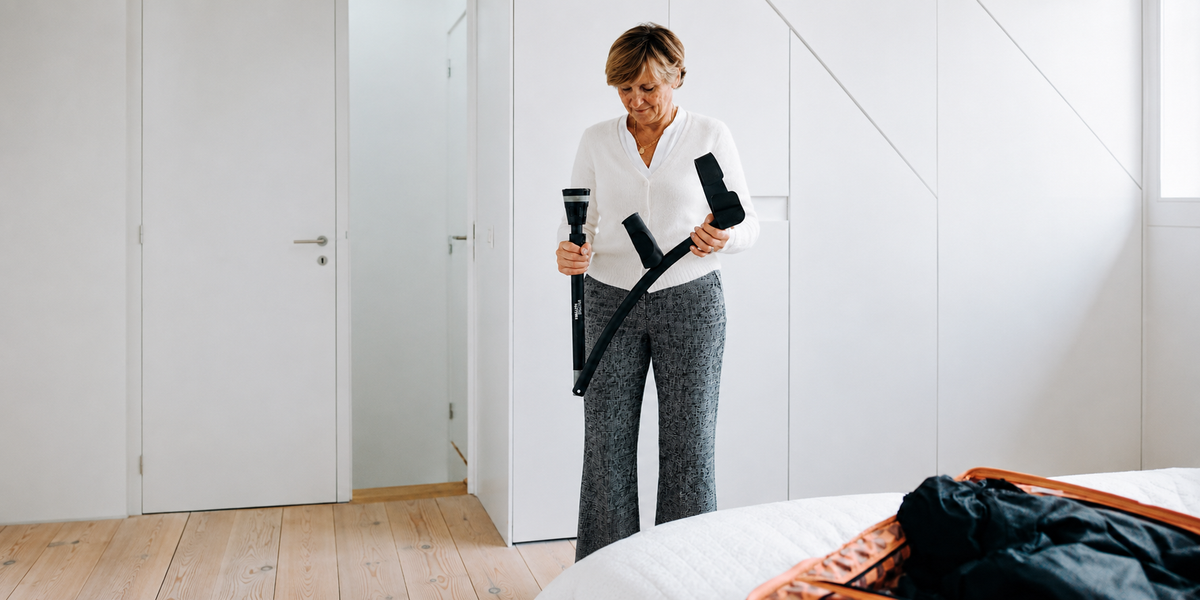
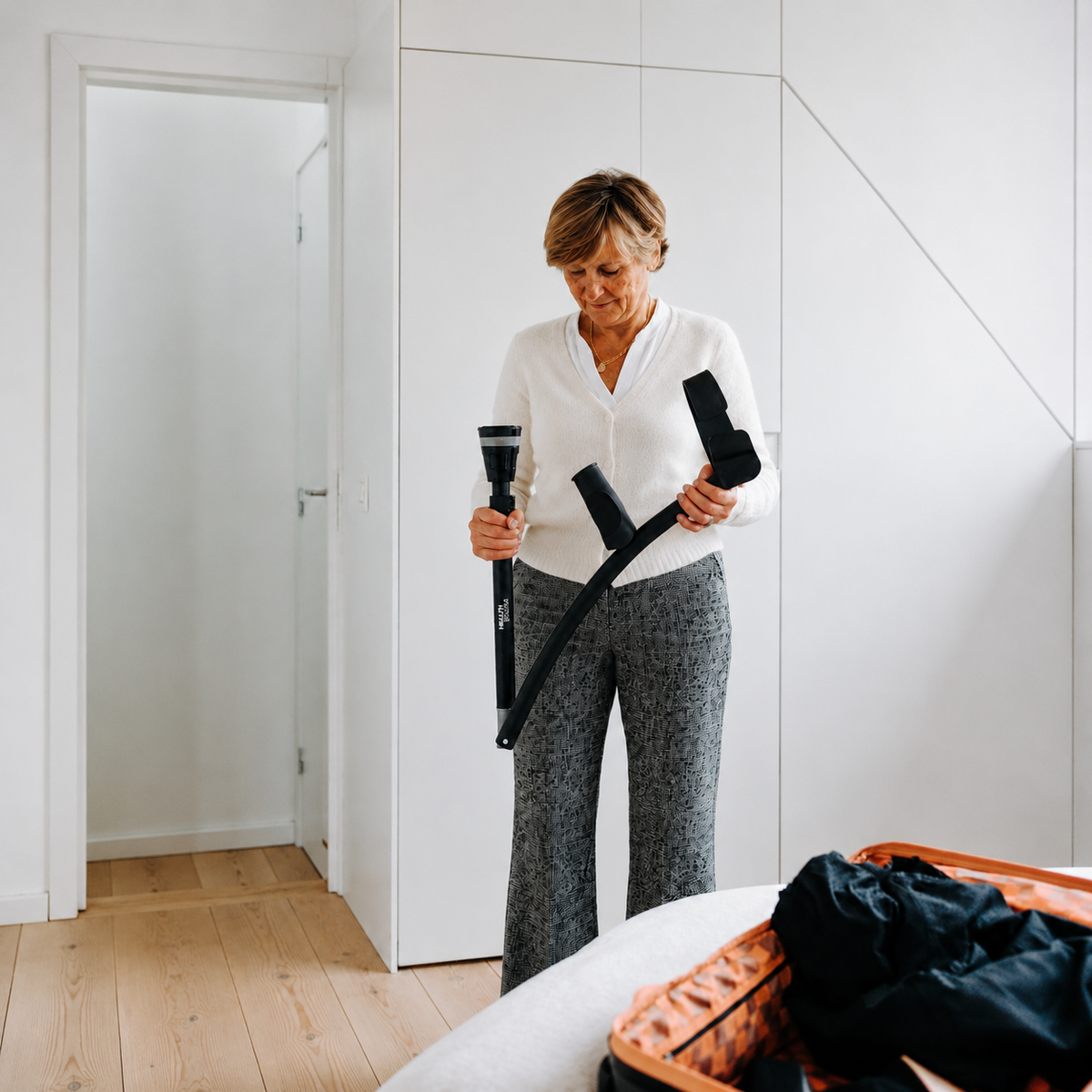
Compare folding, self-standing, and quad walking canes to find an option that fits your everyday routine.
Not all walking canes are designed for the same needs. Some prioritize lightweight portability, while others offer a self-standing base or a wider support footprint.
At Rehand, we believe choosing a mobility aid starts with understanding how you plan to use it—not simply choosing the cane with the most features.
This guide explains the key differences between our walking cane designs, what to consider before buying, and how to compare the options available.
1. Walking Cane Types at a Glance
The main differences between folding, self-standing, and quad canes are their base design, portability, and intended everyday use.
| Cane Type | Key Design | Consider If You Prioritize | What to Keep in Mind |
|---|---|---|---|
| Folding Walking Cane | Single-tip base with a collapsible shaft | Compact storage, travel, and everyday portability | Does not stand independently |
| Self-Standing Walking Cane | Compact four-point pivoting base | Keeping the cane upright and within reach | Base performance depends on the surface |
| Quad Cane | Wider four-point base | A larger ground-contact footprint | Wider base may require more clearance while walking |
A larger base does not automatically make a cane the safest or most suitable option for every person. Fit, walking technique, balance needs, and professional recommendations all matter.
2. Compare Rehand Walking Canes
Explore three Rehand walking cane options, each designed with a different balance of portability and base functionality.
| Feature | Rehand Foldable Walking Cane | Rehand Self-Standing Walking Cane | Rehand Quad Cane |
|---|---|---|---|
| Base design | Single rubber tip | Compact four-pronged pivoting base | Wider four-pronged base |
| Foldable | Yes | Yes | Yes |
| Adjustable height | 31–38 in | 31–38 in | 31–38 in |
| Height settings | 8 | 8 | 8 |
| Folded length | 14 in | 14 in | 14 in |
| Listed weight capacity | 350 lb | 350 lb | 350 lb |
| Main distinction | Simple, compact base | Self-standing pivoting base | Wider support footprint |
| Available handle configurations | Ergonomic primary handle | Ergonomic primary handle | Single or dual handle options |
Specifications are based on the listed product configurations. Check individual product pages for the latest options and details.
Rehand Foldable Walking Cane — For Compact Everyday Carry
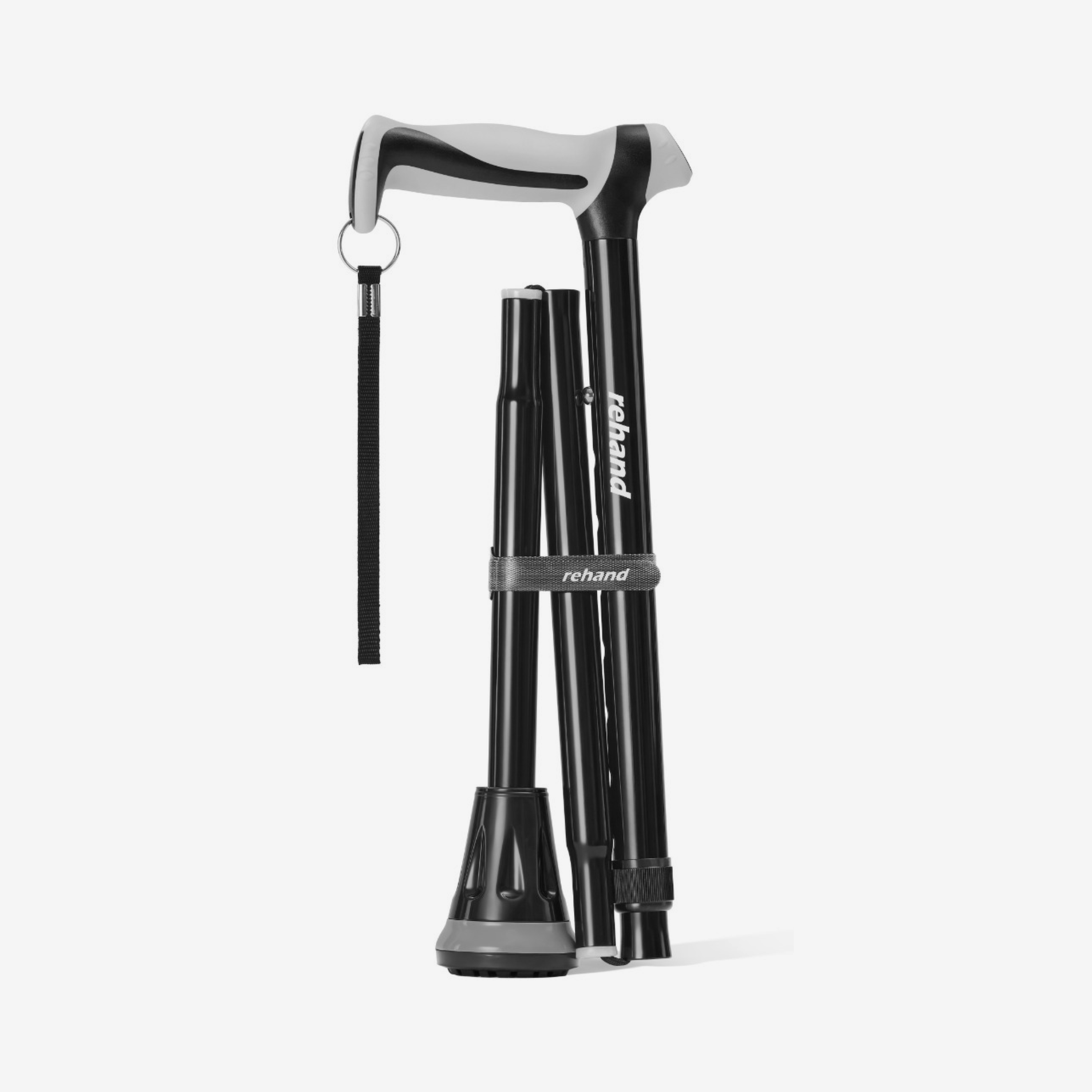
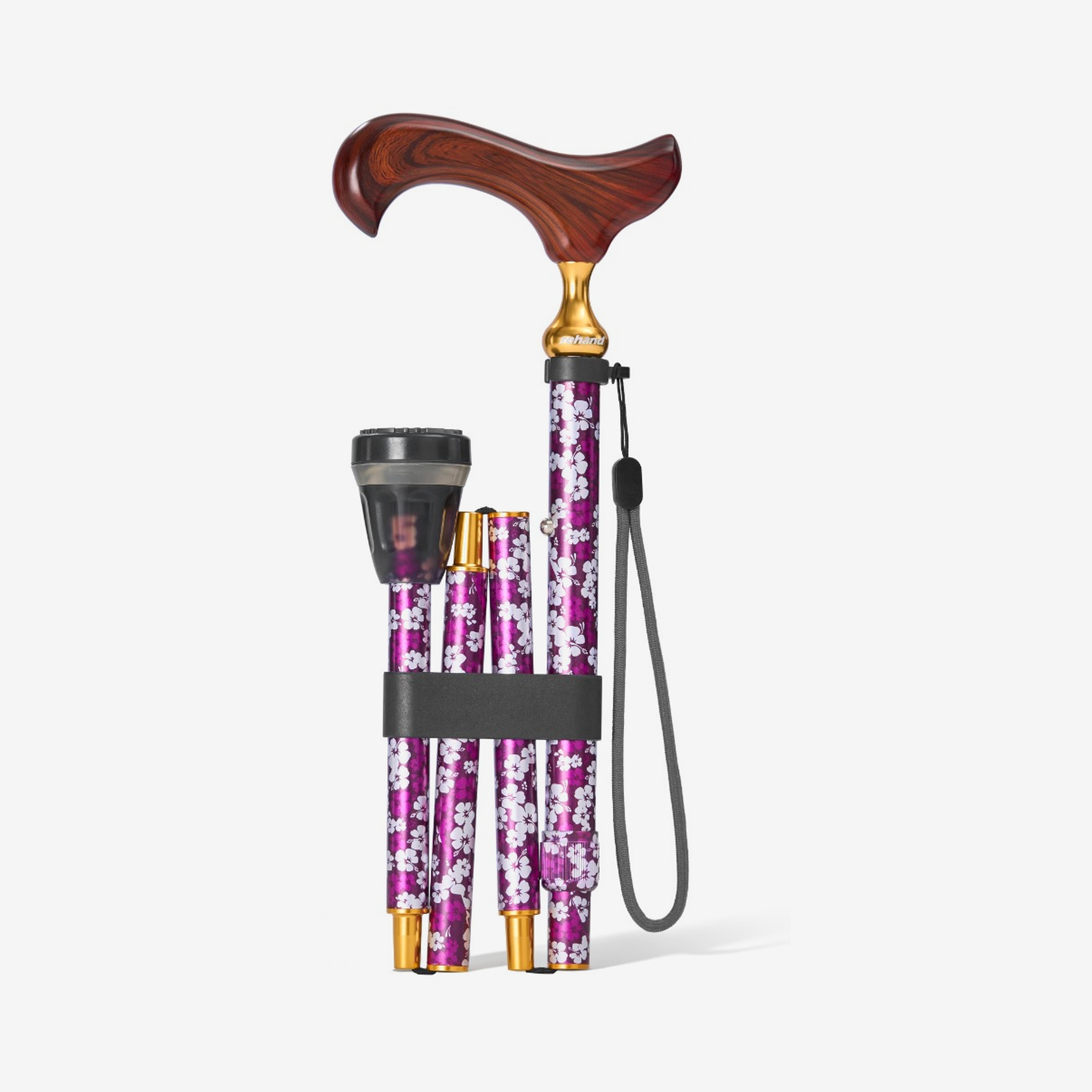
The Rehand Foldable Walking Cane combines an ergonomic grip, adjustable height, and a single-tip base in a collapsible design.
It folds to approximately 14 inches, making it practical to store when not in use.
Consider this model if:
-
You prefer a compact cane for travel or everyday outings.
-
You want a straightforward single-tip design.
-
Easy storage in a bag, vehicle, or luggage is important to you.
Keep in mind: This cane does not stand independently, and a single-tip cane may not provide the support needed by someone with substantial balance or weight-bearing difficulties.
Explore the Rehand Foldable Walking Cane
Rehand Self-Standing Walking Cane — For Convenient Daily Access
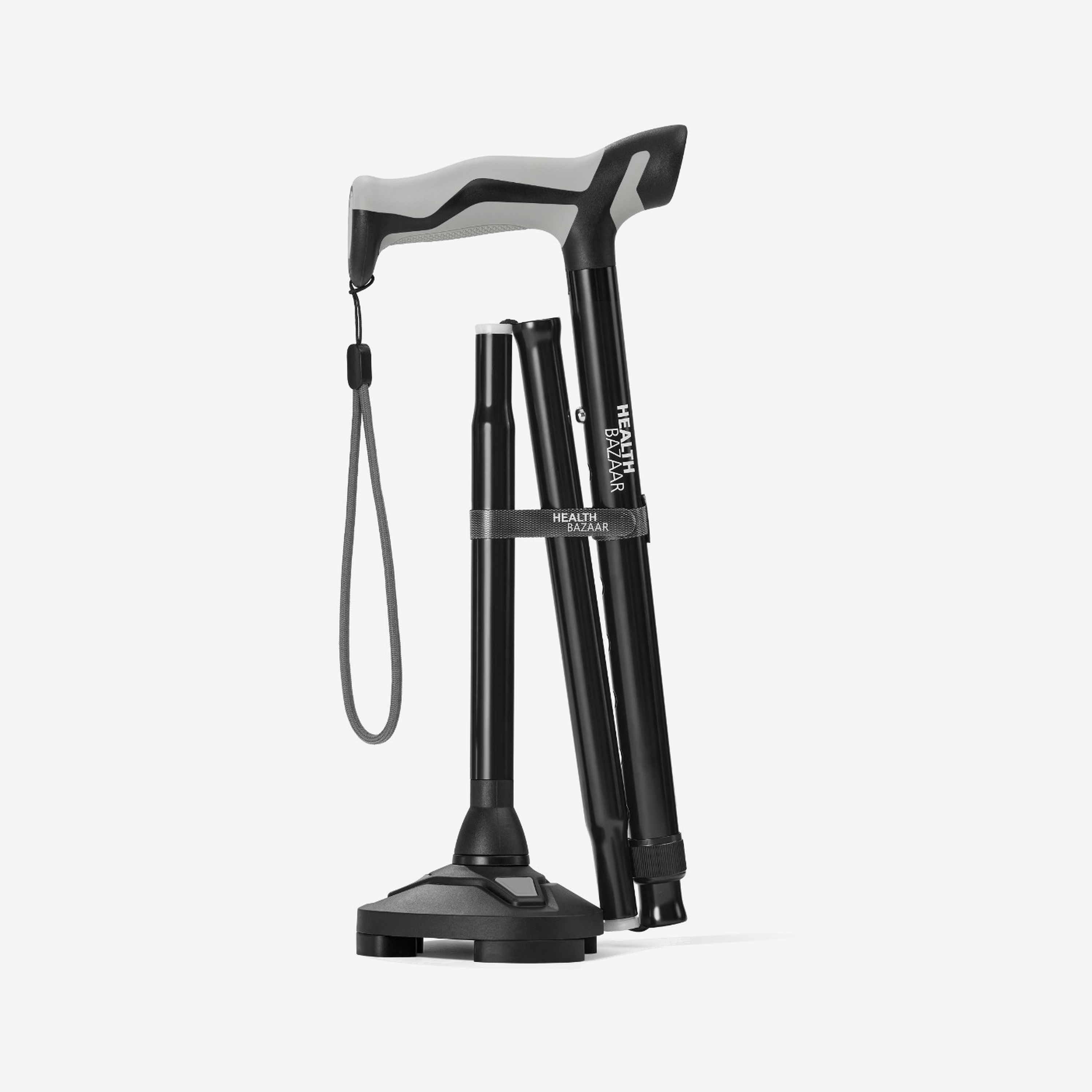
The Rehand Self-Standing Walking Cane features a compact four-pronged pivoting base that can stand independently on suitable level surfaces.
Its adjustable, foldable design combines convenient storage with an easy-to-reach resting position.
Consider this model if:
-
You regularly pause during errands or everyday activities.
-
You want a cane that can stand upright on suitable surfaces.
-
You prefer a compact multi-point base over a traditional single tip.
Keep in mind: A self-standing feature is a convenience, not a guarantee that the cane will remain upright on every surface. Check that the base is securely positioned before use.
Explore the Rehand Self-Standing Walking Cane
Rehand Quad Cane — For a Wider Support Base
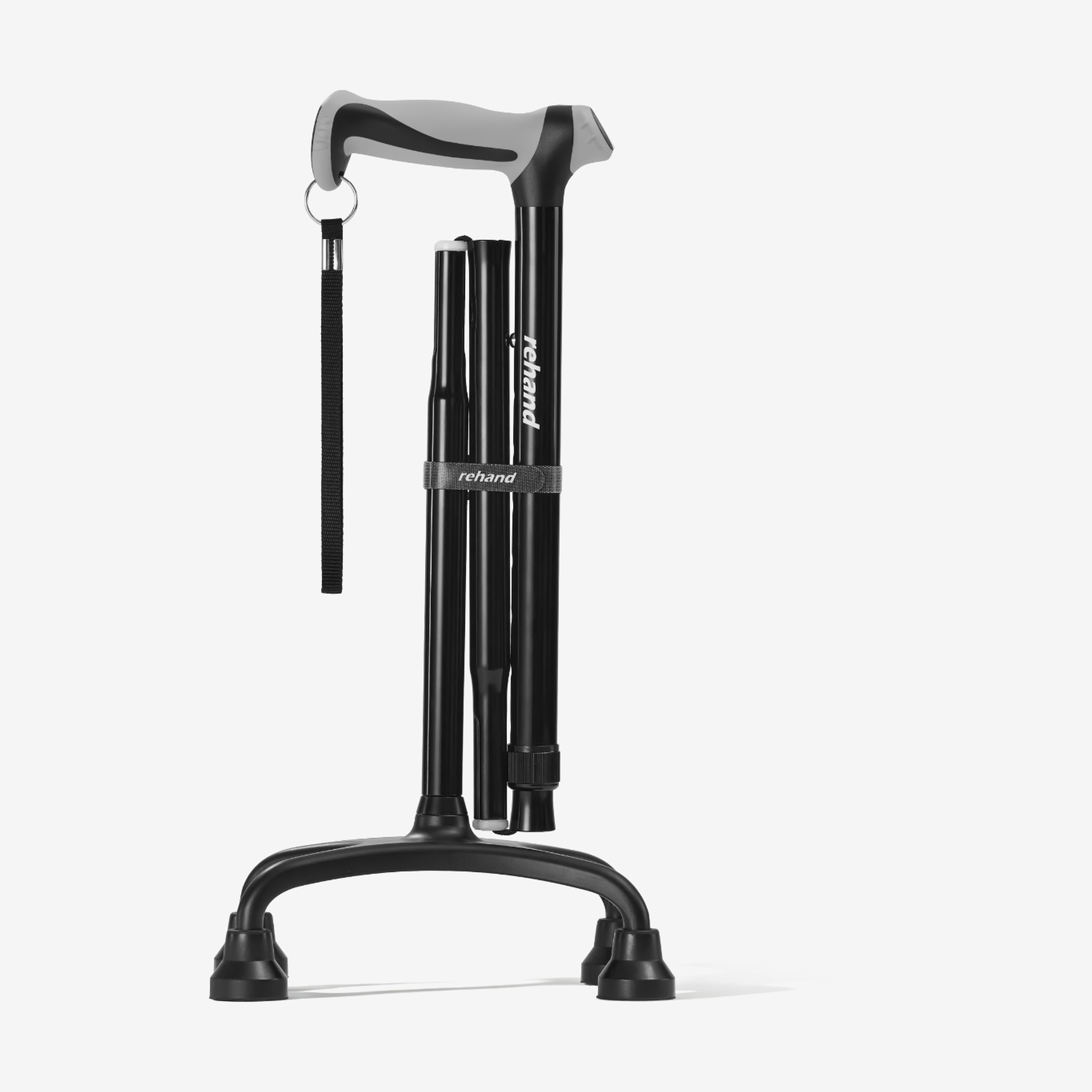
The Rehand Quad Cane uses a four-pronged base with a wider footprint than a standard single-tip cane.
It is available in single-handle and dual-handle configurations, allowing shoppers to compare different handle designs alongside the base style.
Consider this model if:
-
You are looking for a cane with a wider support footprint.
-
You want to compare single-handle and dual-handle designs.
-
A clinician or physical therapist has recommended evaluating a quad cane.
Keep in mind: A wider base can take up more room, and all contact points should be appropriately placed during use. Do not assume a quad cane can replace a walker or another prescribed mobility aid.
3. Folding Cane vs. Quad Cane: What's the Difference?
A folding walking cane with a single tip is generally focused on compactness and simple everyday handling. A quad cane uses four contact points and a wider base.
The better choice depends on your support requirements and the way you walk.
Consider a single-tip folding cane when compact storage and everyday portability are your main priorities and a single-tip cane provides sufficient support.
Consider discussing a quad cane with a healthcare professional when you need to evaluate a wider support base for balance or stability.
Both styles should be correctly adjusted to your height and used according to appropriate walking-aid guidance.
4. Self-Standing Cane vs. Regular Cane: Which Should You Choose?
A regular single-tip cane must typically be leaned against a secure surface or stored when not in use.
A self-standing cane uses a multi-point base designed to stay upright on suitable surfaces.
If you frequently stop while shopping, waiting, or carrying out daily activities, a self-standing feature may be convenient.
If you prefer a simpler base shape or prioritize a single-tip design, a traditional folding cane may be worth considering.
Important: Self-standing describes what the cane can do when set down. It does not, by itself, establish how much walking support the cane provides or whether it is medically suitable for you.
5. How to Choose a Walking Cane for Your Lifestyle
For Travel and Everyday Outings
Look at the folded length, product weight, grip comfort, and ease of storage.
A lightweight folding walking cane may be helpful when space and portability matter. Check airline rules and any mobility-aid handling requirements before traveling.
For Daily Use at Home
Consider how easy the cane is to reach when you stop, how the base interacts with your flooring, and whether the handle feels comfortable.
A self-standing model can be useful when you want the cane to remain nearby without leaning it against furniture.
For Additional Balance Support
Compare the base design, stability needs, and recommendations from your healthcare professional.
A quad cane may be appropriate for some users, but people with substantial weakness, frequent falls, or significant weight-bearing restrictions may need a different type of mobility aid.
For Hand Comfort
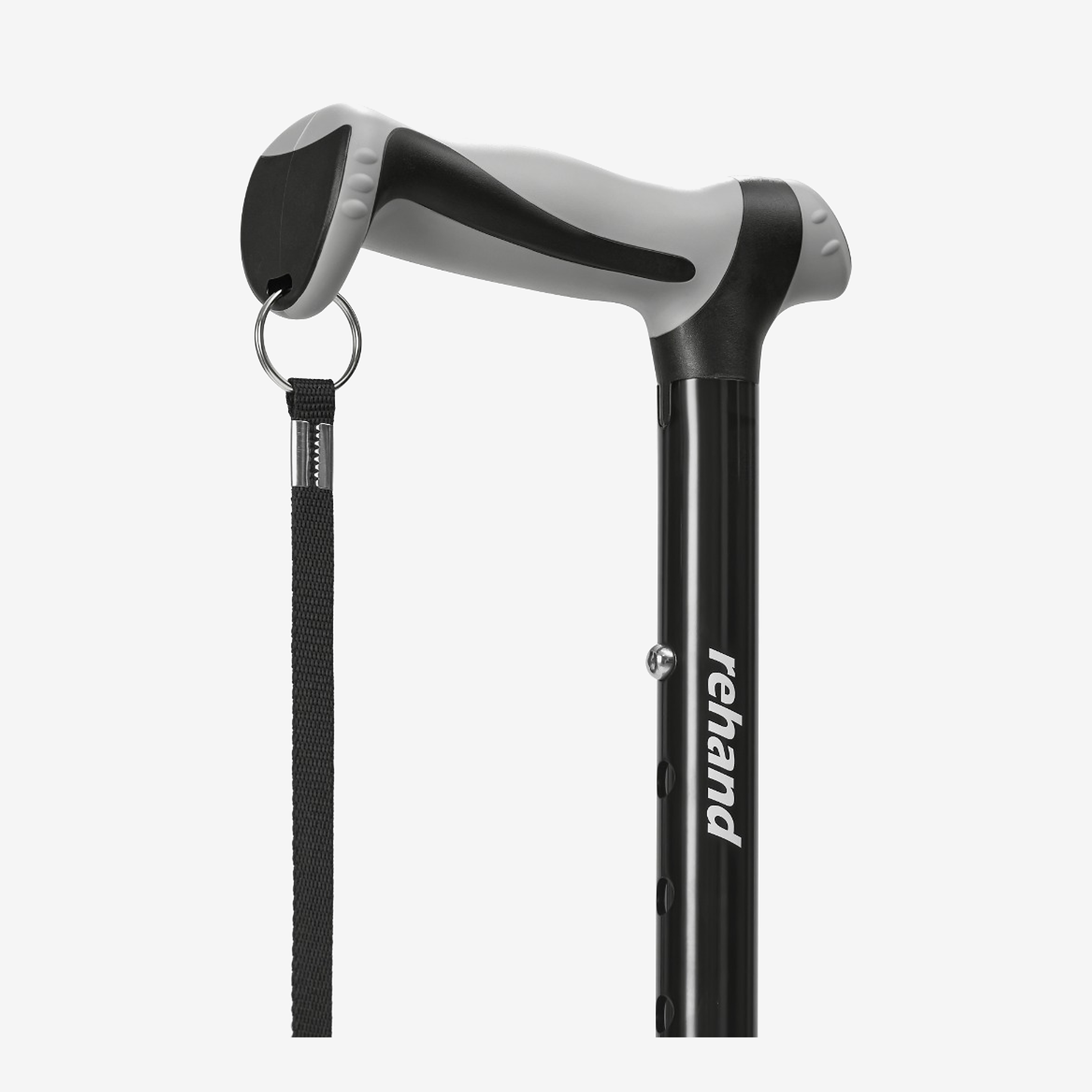
Compare handle shape, grip material, and the way the cane feels in your hand. A comfortable grip matters during repeated daily use, but no handle design is ideal for everyone.
For the Right Height
Walking cane fit matters regardless of the model you choose.
With your everyday shoes on, stand naturally with your arms relaxed at your sides. The handle should generally align with your wrist crease, allowing a slight elbow bend when you hold it.
For detailed measurement and adjustment guidance, visit the Rehand Fit Guide.
6. More Walking Cane Features to Explore
As you compare mobility aids, you may also want to consider:
-
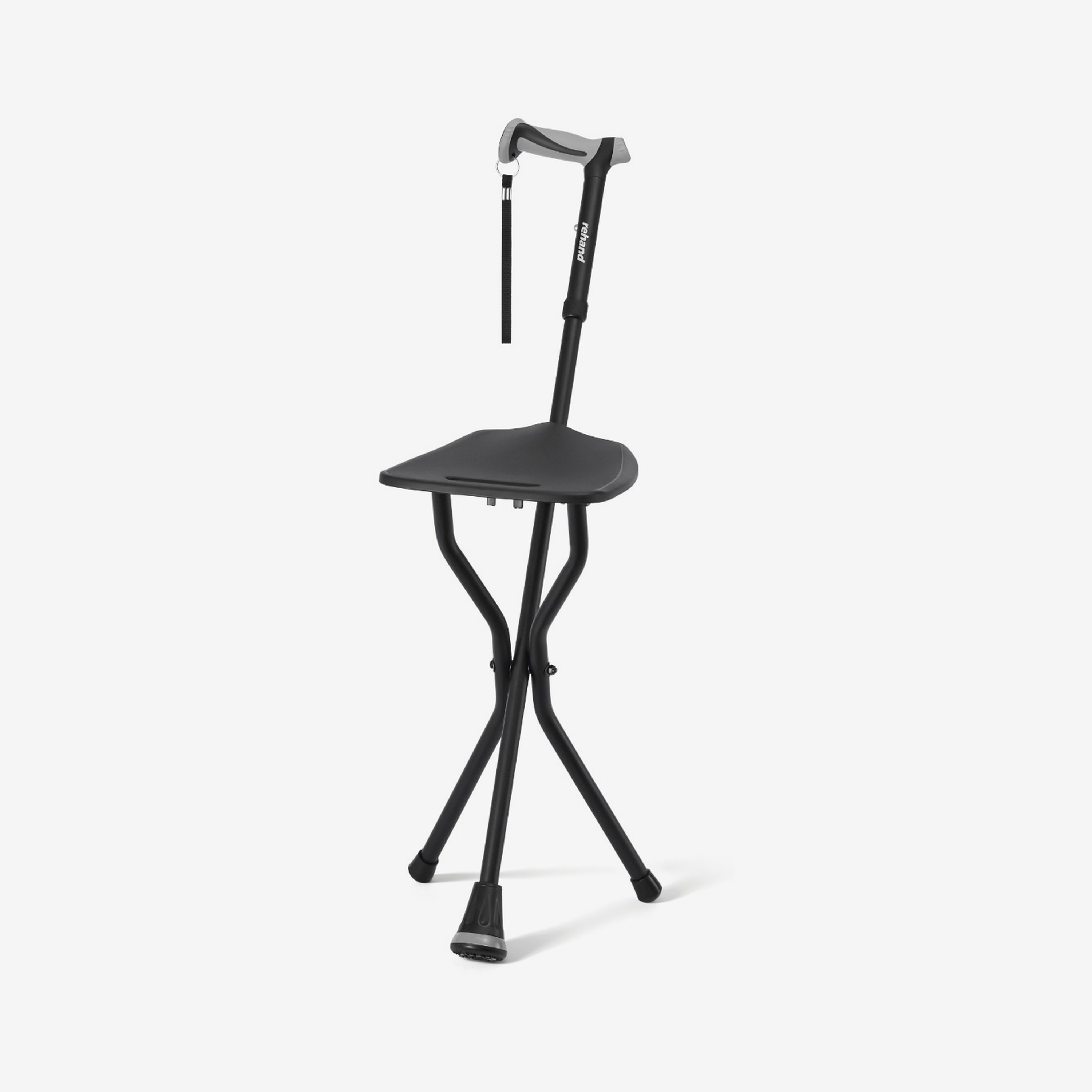
Walking canes with a seat: For situations where an integrated resting seat is useful, subject to the product's stated use and seating requirements.
-
LED walking canes: For shoppers who want an additional lighting feature in low-light situations.
-
Specialty handles: For different grip preferences and everyday handling needs.
These features serve different purposes and should be evaluated separately from the level of walking support needed.
Explore the Rehand Walking Cane Collection
7. Frequently Asked Questions
What is the difference between a folding cane and a quad cane?
A folding cane refers to a cane that can collapse for easier storage. A quad cane refers to a cane with four contact points at the base. These features are not mutually exclusive: some quad canes are also foldable.
Is a self-standing cane the same as a quad cane?
Not necessarily. A self-standing cane is designed to remain upright when placed on a suitable surface. A quad cane uses a four-point base. Some self-standing designs use four contact points, but base size, shape, and intended use vary.
Which walking cane is suitable for travel?
A folding cane may be convenient for travel because it takes up less space when stored. Compare folded length, weight, grip comfort, and the support you need rather than choosing solely by portability.
Does a quad cane provide more stability than a regular cane?
A quad cane has a wider support footprint than a typical single-tip cane, but suitability depends on the individual, the surface, and correct technique. A healthcare professional can help determine whether a quad cane offers appropriate support.
Can a folding walking cane be used every day?
Yes, a folding cane can be used for everyday walking when it is appropriate for the user's support needs, correctly adjusted, fully secured, and in good condition. Check the locking mechanism and tip regularly.
How do I choose the correct cane height?
A common starting point is to position the cane handle at the level of your wrist crease while standing naturally, with a slight elbow bend when holding the handle. Refer to the Rehand Fit Guide for more detail.
Should I choose a cane or a walker?
A cane is generally used for relatively limited additional support. A walker may be more appropriate when greater support is needed. Your healthcare professional or physical therapist can help determine the right type of mobility aid.
Find Your Rehand Walking Cane
The right cane is one that matches your support needs, fits correctly, and works with your daily routine.
Compare the designs, review each product's specifications, and choose with confidence.
Safety note: This guide provides general product comparison information and is not individualized medical advice. If you have experienced frequent falls, significant weakness, recent surgery, or weight-bearing restrictions, consult a qualified healthcare professional before selecting or changing your walking aid.
Helpful references